
TL;DR
Experts identify four paint colors—deep purple, black, neon green, and red—that can instantly turn off homebuyers. These colors are highly polarizing and can make properties less appealing, impacting sale prospects.
Real estate and interior design professionals have identified four paint colors—deep purple, black, neon green, and red—that can instantly make a home less attractive to buyers. These colors are considered polarizing and may cause potential buyers to lose interest immediately, which could impact property sales.
According to multiple experts, deep purple, especially in darker shades like eggplant, tends to turn buyers away because it makes spaces feel overpowering and difficult to envision in neutral tones. Nikki Beachamp, an associate broker at Sotheby’s, notes that buyers often react negatively to such intense colors, prompting them to think about neutralizing or repainting.
Black, while trendy and stylish in some contexts, can be perceived as final and limiting in a home setting. Heather T. Roy and Learka Bosnak, real estate agents with Douglas Elliman, explain that black can evoke a sense of decision and finality, discouraging buyers who prefer a sense of open potential. They also mention that homes with bold, personalized color choices can distract buyers and reduce perceived value.
Neon green, particularly lime shades, is frequently cited as problematic. Interior designer Anna Tatsioni recalls a client who recoiled at a neon lime green living room, feeling anxious and on edge, which led to disinterest despite other appealing features. Architect Matthew Coates adds that neon colors like green and orange are difficult for buyers to imagine living with, often leading to rejection.
Red, especially bright or primary shades, remains a contentious color. While trending reds like Behr’s 2025 color of the year, Rumors, are attractive, many buyers find bright reds overpowering and difficult to cover. Realtor Haley Bartlett emphasizes that such colors can be a deterrent because they require significant repainting, which buyers prefer to avoid.
Why These Colors Impact Home Sales
This information is significant for homeowners and real estate agents because paint choices directly influence buyer perception and willingness to make offers. Homes with polarizing colors may sell more slowly or for less than comparable homes with neutral palettes. Understanding these color preferences can help sellers avoid costly repainting or staging mistakes, ultimately improving sale outcomes.
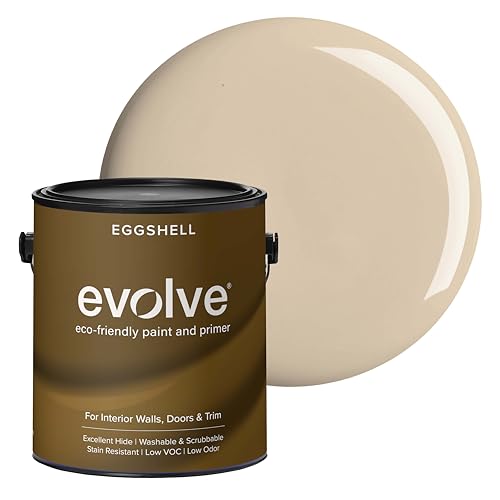
EVOLVE Interior Paint & Primer, Eggshell (Natural Beige), 1 Gallon – One-Coat Coverage, Excellent Hide, Low VOC, Low Odor, Washable Paint for Walls, Doors & Trim
- Paint and Primer in One: Provides coverage and surface sealing
- Multiple Sheens and Colors: Available in various finishes and shades
- Eggshell Finish: Soft, velvety glow with durability
As an affiliate, we earn on qualifying purchases.
As an affiliate, we earn on qualifying purchases.
Color Trends and Buyer Preferences in Real Estate
In recent years, bold and dark paint colors have gained popularity in interior design, reflecting current trends. However, these styles may not translate well in the real estate market, where neutral tones are often preferred for staging. Historically, neutral colors like whites, beiges, and light grays have been favored because they appeal to a broad audience and make spaces appear larger and more inviting. The current trend toward more expressive colors has created a tension between design trends and market preferences, with experts cautioning against overly personalized choices in homes intended for sale.
“My buyers will often nearly shut down at the thought of any deep red, blue, or purple colors. They start to think of the process of neutralizing it. The colors are so overpowering to them visually it makes it hard for them to envision with a blank slate.”
— Nikki Beachamp, Sotheby’s associate broker

RYMTOX 33PCS Complete Paint Roller Kit with Extension Pole & Carry Bag
- Complete 33-Piece Painting Kit: Includes rollers, brushes, tray, and accessories
- Microfiber Rollers for Smooth Finish: 9-inch and 4-inch rollers reduce lint and shed
- Extendable 2-4 FT Pole: Eases painting ceilings and high walls
As an affiliate, we earn on qualifying purchases.
As an affiliate, we earn on qualifying purchases.
Unconfirmed Factors and Buyer Variability
While these colors are widely regarded as problematic, individual buyer preferences can vary based on personal taste, regional trends, and specific home styles. It is not yet clear whether all shades within these color categories have the same impact or if certain tones are more acceptable than others. Additionally, some experts suggest that with proper staging or lighting, even bold colors could be mitigated, but definitive evidence remains limited.
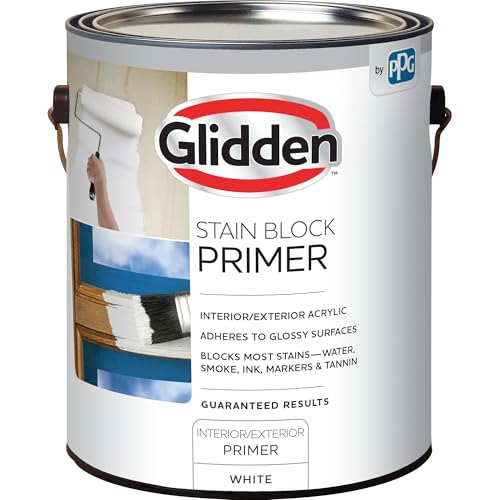
Glidden Glidden Interior/Exterior Stain Block Primer Flat, White, 1 Gallon
- Type: Interior/Exterior Acrylic Primer
- Adhesion: Adheres to Glossy Surfaces
- Stain Blocking: Blocks Water, Smoke, Ink, Markers, Tannins
As an affiliate, we earn on qualifying purchases.
As an affiliate, we earn on qualifying purchases.
Next Steps for Sellers and Realtors
Homeowners considering selling should evaluate their current paint choices and consider neutralizing bold colors to appeal to a broader audience. Realtors may advise clients to repaint or stage homes with more universally appealing palettes. Future research may explore the extent to which lighting, decor, and staging can offset the negative perception of these colors, but for now, caution is advised when choosing paint for homes on the market.

Mighty Board Minis Polystyrene Paint Color Test Panels, 12" x 9", Set of 5, White
- Perfect for Color Testing: Smooth, warp-free 12×9 panels for samples
- Durable Styrene Material: Resists multiple coats, maintains color integrity
- Convenient Size: 12×9 inches ideal for side-by-side testing
As an affiliate, we earn on qualifying purchases.
As an affiliate, we earn on qualifying purchases.
Key Questions
Can bold colors ever be a selling point?
In some cases, bold or trendy colors can appeal to niche buyers or be part of a high-end, designer aesthetic. However, for most homes, neutral palettes tend to be safer for resale.
Are all shades of purple, black, green, and red equally problematic?
No, some shades are less intense or more muted, which may be more acceptable. Deep, dark, or neon shades are generally more polarizing than lighter, softer tones.
Can lighting or staging change buyer perceptions of bold colors?
Proper lighting and staging can sometimes mitigate the impact of bold colors, but they are unlikely to completely offset strong, polarizing hues in a listing photos or initial impressions.
Should I repaint my home before selling if it has bold colors?
Repainting with neutral tones is often recommended to maximize appeal and reduce the risk of deterring potential buyers.
Is this advice applicable to exterior paint colors as well?
This article focuses on interior colors, but exterior colors can also influence curb appeal. Neutral and subdued shades are generally safer choices for exteriors aiming to attract buyers.
Source: Apartment Therapy