To create an effective focal point, choose a standout feature like artwork, furniture, or a fireplace, and highlight it with lighting and bold colors. Avoid overcrowding with multiple elements or relying solely on size without proper emphasis. Be mindful of color harmony and avoid clashing hues that distract from your main feature. Keep your focus simple and balanced—continuing will reveal more tips to make your space truly mesmerizing.
Key Takeaways
- Highlight one main feature using lighting and color contrast to draw focus without overcrowding.
- Avoid multiple focal points to prevent visual confusion and maintain room harmony.
- Use lighting accents like spotlights or sconces to emphasize the focal feature effectively.
- Steer clear of mismatched colors that clash and disrupt the room’s overall flow.
- Keep clutter minimal around the focal point to ensure it remains the visual centerpiece.

A well-designed focal point can instantly transform any room into a welcoming and visually appealing space. It draws the eye immediately, guiding your guests’ attention and setting the tone for the rest of the decor. To achieve this, you need to consider elements like lighting accents and color schemes carefully. These details can make a huge difference in how your focal point stands out and how balanced the room feels overall. Incorporating pop culture inspiration into your focal point can also add a unique and memorable touch to your decor. Start by choosing a feature that naturally captures interest, such as a statement piece of furniture, an artwork, or a fireplace. Once you’ve identified it, enhance it with lighting accents that highlight its importance. For example, use directional spotlights or wall-mounted sconces to cast a warm glow on it, creating a visual hierarchy. Avoid harsh overhead lighting that can distract or diminish its impact. Proper lighting accentuates textures and colors, making your focal feature pop without overwhelming the space. If your focal point is a piece of art, consider adjustable lighting so you can set the perfect mood and draw attention without glare. Color schemes play a vital role in establishing a focal point. You want the feature to stand out, but not clash with the rest of the room. Use contrasting or complementary colors to make the focal element distinct. For example, if your room has neutral tones, add a bold-colored piece or accent wall behind your focal point. Conversely, if your room is vibrant, choose a subdued or monochromatic feature that still commands attention. Be mindful not to overdo it; a harmonious color scheme maintains balance and prevents your focal point from feeling out of place or overly busy. What not to do is neglect these details. Don’t rely solely on the size or placement of a feature to create focus. Without proper lighting accents, it can blend into the background, losing its impact. Similarly, avoid using mismatched or clashing colors that disrupt the room’s flow. Overcrowding your focal point with too many competing elements can also dilute its effect, making the space feel chaotic rather than curated. Resist the temptation to add multiple focal points in a single room—this can create confusion rather than clarity. Instead, pick one primary feature and let it shine.

Scotch Felt Pads 162 PCS Beige, Felt Furniture Pads for Protecting Hardwood Floors, Round, Assorted Sizes Value Pack, Self-Stick design, Protecting from nicks, dents and scratches (SP845-NA)
- Suitable for Various Furniture: Protects chair legs, tables, and decor
- Easy to Install: Peel and stick for quick setup
- Protects Hard Surfaces: Safeguards hardwood, tile, laminate, vinyl
As an affiliate, we earn on qualifying purchases.
Frequently Asked Questions
How Do I Choose the Right Focal Point for a Small Room?
To choose the right focal point for a small room, consider focal point placement that naturally draws attention, like a bold artwork or a fireplace. Use color coordination to make this feature stand out without overwhelming the space. Keep surrounding decor simple and uncluttered, so the focal point remains the centerpiece. This approach makes your small room feel more spacious and inviting, highlighting its best features effectively.
Can Artwork Serve as an Effective Focal Point?
Sometimes, artwork can quietly steal the show if you consider artwork placement and color coordination carefully. It can serve as an effective focal point when positioned at eye level and matched with your room’s color scheme. Avoid cluttering or overmatching, as that can dilute its impact. With thoughtful placement and harmonious hues, artwork naturally draws attention, anchoring your space beautifully without overwhelming it.
What Lighting Techniques Highlight a Focal Point?
To highlight a focal point with lighting, you should use strategic lighting effects like spotlights or accent lights that draw the eye directly to it. Focus on focal point accents by adjusting brightness and direction to emphasize details or features. Avoid overwhelming the space with harsh or diffuse light, which can detract from the focal point. Instead, create contrast and depth, making your focal feature stand out beautifully.
Is Symmetry Important When Creating a Focal Point?
Think of your room like a symphony—balance matters, but perfection isn’t necessary. Symmetry isn’t always essential when creating a focal point; sometimes, asymmetrical design adds visual interest and energy. You might remember a gallery wall where uneven frames drew your eye more effectively than perfect alignment. Prioritize visual balance over strict symmetry to make your focal point naturally enthralling and dynamic.
How Do I Balance Multiple Focal Points in a Large Space?
To balance multiple focal points in a large space, you should create visual balance by distributing elements evenly. Use color contrast strategically to highlight each focal point without overwhelming the room. Keep your eye moving smoothly across the space, avoiding clutter or competing features. Incorporate varying heights and textures, ensuring no single focal point dominates. This approach helps your room feel harmonious and well-coordinated while showcasing multiple interesting areas.

Scotch Felt Pads 32 PCS Beige, Felt Furniture Pads for Protecting Hardwood Floors, 1" Round, Easy-to-apply, Self-Stick design, Reliable protection from nicks, dents and scratches (SP802-NA)
- Suitable for various furniture: Protects furniture and décor
- Easy to install: Self-stick design for quick application
- Smooth movement: Felt material allows easy furniture relocation
As an affiliate, we earn on qualifying purchases.
Conclusion
By now, you see how a well-chosen focal point transforms a room. Imagine a small living room where a vibrant art piece instantly draws eyes, making the space feel lively and inviting. Just like Sarah did by adding a statement fireplace, your room can become an enchanting haven. Remember, creating a focal point isn’t about overpowering; it’s about guiding your eye and setting the mood. Start small, and watch your space come alive.
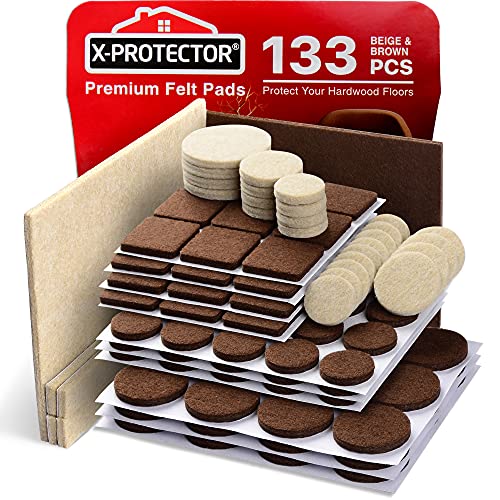
Felt Furniture Pads X-PROTECTOR 133 PCS Premium Furniture Pads - Felt Pads
- Floor protection for various surfaces: Protects wood, laminate, and tile floors
- Includes 2-pack for complete coverage: One brown and one beige pack, 133 pieces
- Multiple sizes for versatile fit: Various sizes to fit all furniture
As an affiliate, we earn on qualifying purchases.

Lifewit 2 Pack Laundry Basket 80L Each, Collapsible Clothes Hamper with Reinforced Handles, Freestanding Waterproof Design for Bedroom and Laundry Room, Grey 160L Total
- Freestanding Design: Sturdy iron wire frame for upright standing
- Large Capacity: 80L capacity, holds 1.5 loads of laundry
- Spacious Dimensions: 15.7 x 11.8 x 26.4 inches
As an affiliate, we earn on qualifying purchases.