TL;DR
Interior designers interviewed by House Beautiful describe a soft return of honey oak, especially in cabinetry, millwork and furniture, as interest in warmer interiors grows. Their advice is to use it selectively and balance its orange-gold tone with cooler colors, mixed materials and contemporary details.
Interior designers are reporting a soft return of honey oak, the orange-gold wood finish that was widespread in homes from the late 1980s through the early 2000s. The renewed interest reflects a broader appetite for warmer interiors, but designers say the finish is being used more selectively than it was in its previous period of popularity.

Get furniture and decor delivered free with Prime
- Fast, free delivery on millions of items
- Prime Video, Amazon Music and more included
- Member-only deals all year
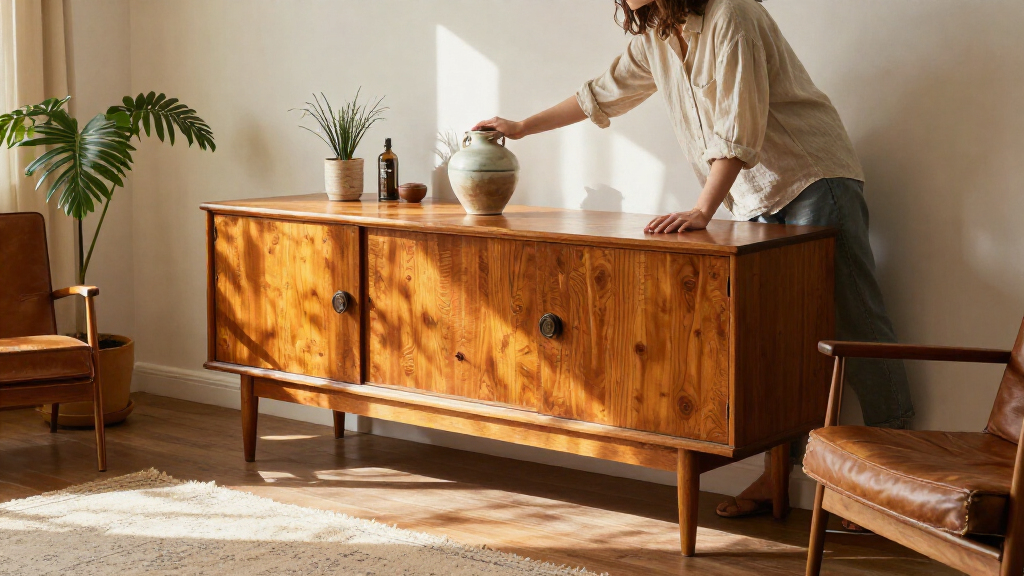
Honey oak once appeared across kitchen cabinets, bathroom vanities, trim, stair railings and floors. Cathleen Gruver of Gruver Cooley told House Beautiful that it was a common choice for builders and homeowners before cooler, more neutral interiors gained favor in the early 2000s. She now sees a gradual return, particularly in cabinetry, millwork and furniture, although clients may ask for natural wood tones rather than the name “honey oak.”
Designers Elizabeth Bennett and Mallory Robins of Kobel + Co point to two factors: warmer colors are gaining ground, and the wood carries nostalgic associations for people who grew up in the 1980s and 1990s. Their account is based on design work and client preferences; the source does not provide polling or sales figures that would measure how widespread the shift is.
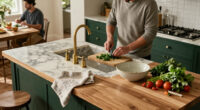
The report outlines five ways designers are incorporating the finish: mixing wood tones; balancing it with earthy or cooler colors; using it in smaller doses; pairing it with brighter contrasts; and setting it against modern materials and details. Examples include a honey oak bathroom vanity with blue tile and gray paint, and a kitchen island in honey oak against a bright white room. The advice is to work with the wood’s warmth rather than repeat an all-over, single-tone look.
Honey oak returns in measured ways
Designers describe renewed interest in honey oak as warmer interiors gain ground. Today, they use it selectively and balance its orange-gold tone with cooler colors and modern details.
Five ways to use honey oak
Designers recommend making the finish one part of a considered palette.
Combine wood tones
Pair honey oak with other woods instead of matching every surface.
Add cooler colors
Try blue tile, gray paint, sage green or indigo alongside the warm wood.
Use a single feature
Choose a vanity, island, console or furniture piece rather than covering the whole room.
Brighten the setting
A honey oak island can stand out against a bright white kitchen.
Add modern details
Contemporary materials and details help the finish feel intentional.
From all-over finish to accent
Honey oak once appeared across cabinets, trim, floors and other surfaces; current examples are more restrained.
- Across multiple surfaces in a home
- Popular from the late 1980s through the early 2000s
- One feature or retained existing wood
- Mixed with contrasting colors and materials
What the report can show
The trend account comes from designers’ observations and project examples.
| Supported by the report | Not established |
|---|---|
| Designers see selective renewed interest. | How widespread demand is across homeowners or regions. |
| Warm palettes and nostalgia are cited as influences. | Whether interest is rising in sales data or will last. |
A Warmer Alternative to All-Gray Rooms
The reported shift gives homeowners another option as interiors move away from the cool neutrals that dominated many recent design schemes. Honey oak can bring warmth and visible wood character into a room, while its existing presence may be something homeowners can design around rather than remove immediately.
The practical point is not that every home needs honey oak. Designers quoted by House Beautiful describe a more measured approach: use a single feature, such as a vanity, island or console, and balance it with cooler paint, tile, stone or metal. That can make the wood feel like a deliberate choice without letting its strong color dominate a space.
For readers considering a renovation, the advice also challenges the assumption that older oak finishes must be replaced to achieve a current look. Whether keeping existing wood is suitable depends on the condition and design of a particular room, but the examples suggest that color and material choices around it can change how the finish reads.
Products Worth Considering

Samsung 55-Inch S90H OLED 4K UHD Smart TV Bundle with Full-Motion Mount and Surge Protector

Bose QuietComfort Headphones (2nd Generation), Wireless Over‑Ear Noise‑Cancelling with Mic, USB‑C Charging, Lossless Audio, up to 24 h Playb

Roborock Q10 S5+ Robot Vacuum and Mop with Self-Emptying Station
As an affiliate, we earn on qualifying purchases.
From Whole-Room Oak to Accents
Honey oak was widely used from the late 1980s into the early 2000s, when the warm-toned finish appeared on multiple surfaces in a home. Gruver told House Beautiful that it lost appeal as homeowners and designers moved toward cooler, more neutral interiors. The report describes a change in taste, not a quantified market reversal.
Designers now associate the renewed interest with warmer palettes and nostalgia for the period when the wood was common. They also distinguish current use from the earlier, more extensive application. Robins said homeowners are more likely to choose it for a single piece or feature than to use it across trim, floors and cabinetry throughout a house.
Some projects also retain existing honey oak because replacing or refinishing all of it may not be practical. Designer Adina Hall described pairing existing oak with a custom whitewashed French oak floor, taupe-toned ash cabinetry, and accents in sage green and indigo. The approach treats the old finish as one element in a mixed-material palette, rather than trying to match everything to it.
““It’s not necessarily a full-blown comeback, but I’ve definitely noticed a soft return—particularly in cabinetry, millwork details, and furniture.””
— Cathleen Gruver, Gruver Cooley, speaking to House Beautiful
How Broad Is the Oak Revival?
The report reflects designers’ observations and project examples, not a national survey, renovation-sales analysis or measure of consumer demand. It does not establish how many homeowners are choosing honey oak, whether interest is rising across all regions, or how long the trend may last.
It is also unclear whether homeowners are seeking the specific honey oak finish or simply favoring warm natural wood in general. Gruver said clients do not always use the term “honey oak,” while still gravitating toward natural tones with warmth and character. The distinction matters: a broader preference for wood does not by itself confirm a widespread return to the exact finish.
Watch for Wider Market Evidence
The source describes a present design direction but gives no formal forecast or next announcement. Its examples suggest that designers will continue to show how honey oak can work in contemporary rooms, particularly through small-scale applications and contrasting palettes.
To tell whether the shift is becoming broader, readers would need evidence beyond designers’ accounts, such as renovation surveys, product-demand figures or additional reporting across different markets. For homeowners, the immediate decision is more local: evaluate the existing wood, then test color and material combinations before committing to replacement or refinishing.
Key Questions
Is honey oak back in style?
Designers quoted by House Beautiful describe a soft, selective return, especially in cabinetry, millwork and furniture. The report does not include market data to show how widespread the trend is.
How can honey oak look more modern?
Designers recommend mixing wood tones and pairing the finish with muted greens, warm whites, taupe, light blue, gray, black accents or natural stone. Clean lines and contemporary lighting can also balance its warmth.
Should homeowners remove existing honey oak cabinets?
The designers’ examples suggest considering the surrounding palette before replacing the wood. Some projects retain existing oak and use contrasting floors, paint or cabinetry to make it feel intentional. The right choice depends on the condition and layout of the home.
Is the current trend as widespread as honey oak’s earlier popularity?
The report does not establish that. Gruver calls the return “soft”, and Robins describes more restrained use than the earlier practice of applying the finish across floors, trim and cabinetry.
Source: housebeautiful.com