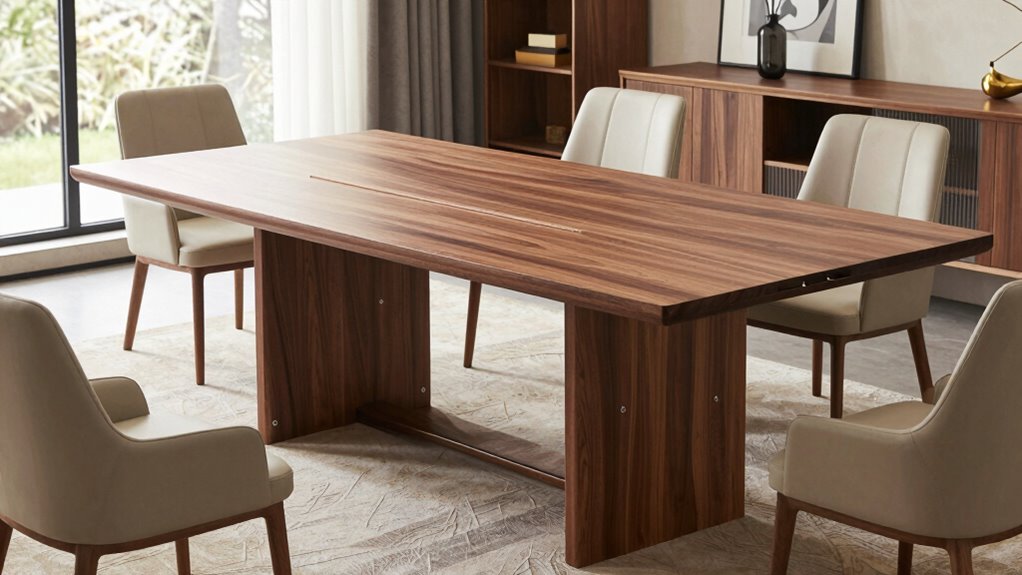

When choosing an extendable dining table, focus on materials that match your lifestyle and budget, like solid wood for durability or laminates for affordability, and consider maintenance needs. Make certain the extension mechanism is smooth and sturdy for daily use. Check the size and proportions to fit your space and anticipated guests without overcrowding. Balancing these factors ensures a durable, functional piece that complements your decor—if you keep exploring, you’ll find more tips to make the best choice.

Get furniture and decor delivered free with Prime
- Fast, free delivery on millions of items
- Prime Video, Amazon Music and more included
- Member-only deals all year
Key Takeaways
- Assess material quality for durability, maintenance, and aesthetic compatibility with your lifestyle.
- Consider the extendable mechanism’s ease of use, stability, and reliability for daily and special occasions.
- Measure your space accurately to ensure the table fits comfortably both when extended and in its compact form.
- Balance factors like material, size, and design to match your decor, functionality needs, and budget.
- Prioritize long-term durability, ease of maintenance, and overall style for a versatile, lasting investment.

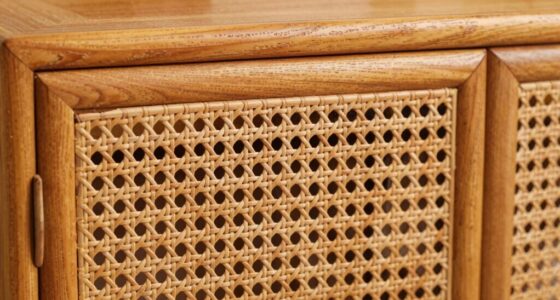
Choosing an extendable dining table can transform your space for both everyday meals and larger gatherings, but it’s important to take into account several factors before making a decision. One of the most critical aspects is the materials quality. High-quality materials ensure durability, stability, and a polished appearance that lasts over time. Solid wood, such as oak or walnut, offers a timeless look and excellent strength, but it may require more maintenance. Conversely, engineered woods or laminates can be more affordable and resistant to warping, though they might not have the same longevity. You should consider how the table’s material aligns with your lifestyle, aesthetic preferences, and budget. If you have young children or frequently entertain, opting for a durable, scratch-resistant surface can save you headaches down the line.
Maintenance requirements are another key factor. Some materials demand more upkeep than others. For example, natural wood surfaces often need regular cleaning and occasional polishing to maintain their luster, and they can be susceptible to moisture damage if not properly sealed. On the other hand, materials like metal or certain composites tend to be easier to clean and require less upkeep, making them ideal for busy households. Think about how much effort you’re willing to put into caring for your table. If you prefer a low-maintenance option, choose materials that can be wiped down quickly and resist stains or scratches. Additionally, understanding the materials’ properties can help you make a more informed choice that suits your lifestyle.
The extendable mechanism itself also plays a significant role in your decision. Some tables feature leaf extensions stored within the table or attached underneath, while others use slide-out or drop-leaf designs. You’ll want to evaluate how smoothly the mechanism operates, how easy it is to extend or retract, and whether it feels sturdy once extended. A reliable extension system ensures your table remains stable and functional during both everyday use and larger gatherings.
Size and proportions matter too. You need to measure your space carefully, ensuring the table, when extended, fits comfortably without overcrowding the room. Think about the number of people you usually host and how many more you might invite occasionally. An extendable table should be versatile enough to adapt to your needs without overwhelming your space when compact.
Ultimately, choosing the right extendable dining table involves balancing materials quality, maintenance needs, structural design, and size. By considering these factors, you’ll select a piece that not only looks great but also functions efficiently for years to come.
Products Worth Considering

Bose TV Speaker Compact Soundbar with Bluetooth and HDMI-ARC, Black

Blueair Blue Pure 211i Max Smart Air Purifier for Large Rooms

Dyson Airwrap i.d. Multi-Styler with Bluetooth Connectivity
As an affiliate, we earn on qualifying purchases.
Frequently Asked Questions
How Durable Are Extendable Dining Tables Over Time?
Extendable dining tables are quite durable if you choose the right material and craftsmanship quality. Solid hardwoods like oak or walnut offer long-lasting strength, while well-constructed metal mechanisms ensure smooth extension over time. However, lower-quality materials or poor craftsmanship may lead to wear and tear. Regular maintenance and gentle handling also help prolong your table’s lifespan, making it a reliable piece for years to come.
Are There Eco-Friendly Options for Extendable Tables?
Yes, eco-friendly extendable tables exist. Imagine a table made from reclaimed wood, showing its unique character while reducing waste, or a sleek bamboo option that’s highly sustainable and durable. These materials not only minimize environmental impact but also add natural beauty to your space. You can enjoy flexibility and style, knowing your choice supports eco-conscious practices while fitting your needs for an extendable dining table.
What Maintenance Is Required for Extendable Tables?
To maintain your extendable table, follow regular cleaning protocols by wiping it with a soft, damp cloth and avoiding harsh chemicals. Use protective finishes like sealants or varnishes to guard against scratches and moisture. Keep the extension mechanism clean and lubricated to guarantee smooth operation. Avoid placing hot or wet items directly on the surface, and periodically check for any damage to the protective finishes to preserve your table’s appearance and functionality.
Can Extendable Tables Be Customized in Size or Design?
Yes, extendable tables can often be tailored in size or design. Many manufacturers offer options for custom design, allowing you to choose materials, finishes, and details that match your style. Size flexibility is a key feature, as you can usually specify the length and shape to fit your space perfectly. This customization ensures your table complements your dining area and meets your specific needs, making it both functional and personalized.
How Do I Ensure Stability When the Table Is Extended?
To guarantee stability when your table is extended, focus on its table weight and leg design. A heavier table provides better stability, so choose a sturdy, well-constructed piece. Opt for leg designs that distribute weight evenly, like trestle or pedestal bases, rather than multiple narrow legs. Secure locking mechanisms or brackets also help keep the extension in place, preventing wobbling and ensuring safety during use.
Conclusion
Choosing the right extendable dining table can transform your space and accommodate guests effortlessly. Remember to take into account size, style, and mechanism to match your needs. Did you know that homes with flexible furniture see a 25% increase in usability and comfort? By investing a little thought now, you’ll enjoy a versatile, stylish centerpiece for years to come. So, take your time, weigh your options, and choose the table that fits your lifestyle perfectly.