TL;DR
A TikTok creator identified as Alexandra demonstrated a way to give a plain glass vase a vintage-inspired texture using hot glue and metallic spray paint. The project is described as costing under $10 and taking about an hour, but the method is recommended for sturdy glass, not fragile or potentially valuable vases.
TikToker Alexandra demonstrated a low-cost way to give an ordinary glass vase a vintage-inspired textured finish, applying hot glue in raised lines before covering the vase with metallic spray paint. The makeover offers a budget alternative to decorative vases, but the method is recommended for sturdy glass and should not be used on a fragile or potentially valuable piece.

Get furniture and decor delivered free with Prime
- Fast, free delivery on millions of items
- Prime Video, Amazon Music and more included
- Member-only deals all year
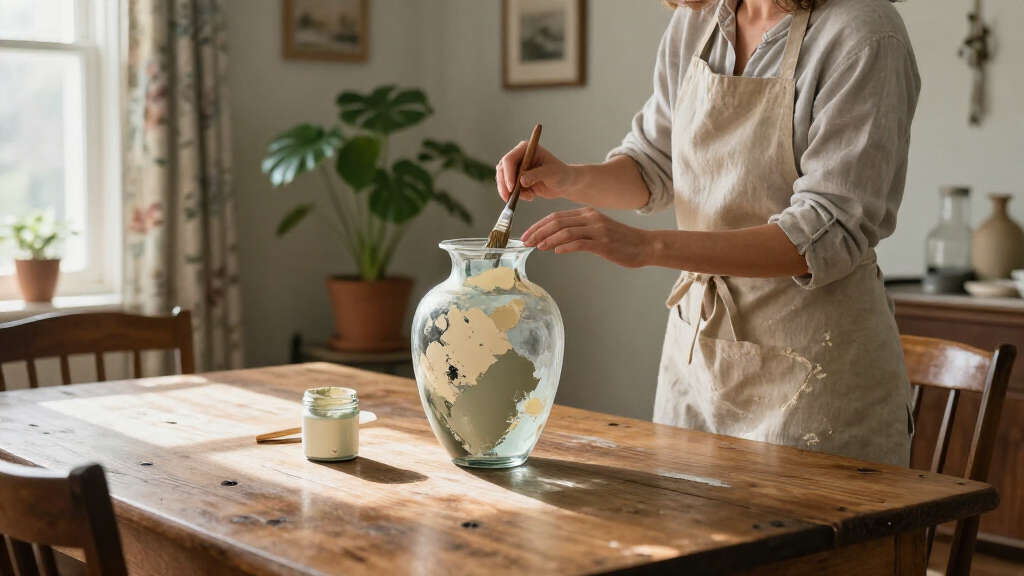
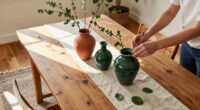
The technique begins with a basic glass vase, a hot-glue gun and spray paint. The report describes Alexandra’s finished vase as gold, with an irregular raised pattern made by applying lines of hot glue around the glass. The paint covers both the glass and the glue, giving the finished piece a unified metallic appearance. The design can be adapted with a different paint finish to suit a room.
Before gluing, the outside of the vase should be cleaned with alcohol, since hot glue may detach from dirty glass. The glue is applied in staggered lines, avoiding large blobs and wide bare areas, then left to cool and harden for up to a minute. After spraying, the paint is allowed to dry for 20 minutes; a second coat can be added if coverage is incomplete.
The project is described as taking about an hour, including the drying time between paint coats, and costing under $10 when using an inexpensive or thrifted vase. A $1.75 Clear Jardin Glass Vase from Dollar Tree is given as one possible base. The report cautions that thin glass can be difficult to sand safely and says the technique is better suited to sturdier glass. It also advises against altering a rare vintage vase that could have value in its original condition.
A plain vase, reimagined with glue and paint
Alexandra’s project adds raised texture and a metallic finish to an ordinary glass vase. It is a low-cost decorative makeover, best suited to sturdy glass.
How the finish comes together
Hot-glue lines create the texture; metallic spray paint visually unifies the glue and glass.
Wipe the outside with alcohol so the glue has a clean surface to grip.
Apply staggered hot-glue lines, avoiding large blobs and wide bare areas. Let them cool and harden.
Apply metallic paint and follow its label for spraying and drying. Add a second coat if coverage is incomplete.
What to expect
The price and timing are estimates; the total depends on materials and drying conditions.
- Changes the look of a plain vase without buying a decorative one.
- Texture and paint finish can suit existing decor.
- No durability or washability testing is reported.
- The finish’s long-term performance is unknown.
Choose the right vase
Treat this as a decorative makeover, not a restoration.
- Use sturdy, ordinary glass.
- Avoid fragile, thin, rare, or potentially valuable pieces.
- Do not assume the decoration is waterproof or suitable for a filled vase.
A Low-Cost Decorative Alternative
The makeover offers readers a way to change the look of a plain vase without buying a more expensive decorative piece. The reported under-$10 estimate depends on finding an inexpensive base and already having or buying the other materials; it is not a guaranteed price for every household. The article compares the result with vases priced around $50, but provides no product-by-product test or independent price comparison.
Its appeal is also practical: the texture and paint color can be chosen to fit existing decor, and the finished vase can be displayed by itself or alongside items such as books, decorative beads or a catch-all tray. Adding flowers is optional. The project is decorative rather than restorative, so it is best treated as a makeover for an ordinary, sturdy vase rather than a way to improve an heirloom or collectible.
Products Worth Considering

Blueair Blue Pure 211i Max Smart Air Purifier for Large Rooms

Dyson Airwrap i.d. Multi-Styler with Bluetooth Connectivity

Dyson V8 Cyclone Cordless Vacuum
As an affiliate, we earn on qualifying purchases.
How the Vase Makeover Works
The idea relies on building texture with hot glue rather than buying a molded or textured vase. Once the glue hardens, spray paint visually ties the raised lines to the glass beneath them. Alexandra’s version uses gold, which the report says coordinates with warm tones in artwork behind a console table. Other metallic finishes are suggested for matching different interiors.
Styling suggestions include dainty flowers such as roses, irises and peonies for a traditional look, or flowers currently in season. The report offers neutral arrangements or red accents as winter options. These are design suggestions, not requirements for completing the project.
“Hot glue can easily pop off glass, especially if it isn’t clean.”
— The home-decor report
Limits of the DIY Method
The report does not specify the exact brand or type of hot glue, the vase dimensions, or how long the finished coating lasts with regular handling. It also does not provide a durability test for the paint or glue, or establish whether the surface is suitable for washing. The stated cost and one-hour timeframe are estimates, and results may vary with the vase, paint, application and drying conditions.
Adhesion may be inconsistent: the report warns that hot glue can detach from glass, while sanding is presented only as a possible preparation step. Because the cited low-cost Dollar Tree vase is described as thin, the report does not recommend roughing it up. It gives no testing or safety guidance for using the finished vase with water, so readers should not assume the decoration is waterproof or suitable for a filled vase.
Choose a Vase Before Starting
Anyone trying the project should first select a sturdy, ordinary glass vase and clean its exterior. Avoid using an item with possible collectible or sentimental value, and do not sand thin glass. Apply glue in controlled lines, allow it to cool, then follow the paint label’s directions for spraying, ventilation and drying. The report’s suggested 20-minute interval is an estimate; the product instructions should guide use.
Once the coating is dry, the vase can be styled on its own or with flowers and other decor. No follow-up test, durability update or additional information from Alexandra is included, so the long-term performance of the finish remains unknown.
Source: rss
Key Questions
What materials does the vase project use?
It uses a glass vase, a hot-glue gun and metallic spray paint. The report also recommends cleaning the glass exterior with alcohol before adding glue.
How long does the makeover take?
The project is estimated to take about an hour, including a reported 20 minutes of drying time between paint coats. Actual drying time can depend on the paint and conditions; follow the paint label.
Can this be done on any glass vase?
No. The method is recommended for sturdier glass. The report cautions that thin glass may be difficult to sand without breaking and advises against altering rare vintage pieces that may have value.
How much does the project cost?
The report estimates under $10 when using a low-cost or thrifted vase. That figure is an estimate, not a fixed total; it depends on the vase and whether glue and paint are already available.
Source: hunker.com