
TL;DR

Get furniture and decor delivered free with Prime
- Fast, free delivery on millions of items
- Prime Video, Amazon Music and more included
- Member-only deals all year
Many homeowners are replacing tub/shower combos with stand-up showers to save space and improve accessibility. This report outlines the process, costs, and potential challenges involved.
Homeowners are increasingly replacing bathtub/shower combinations with stand-up showers, a trend driven by space-saving needs and accessibility considerations, according to discussions on r/HomeImprovement.
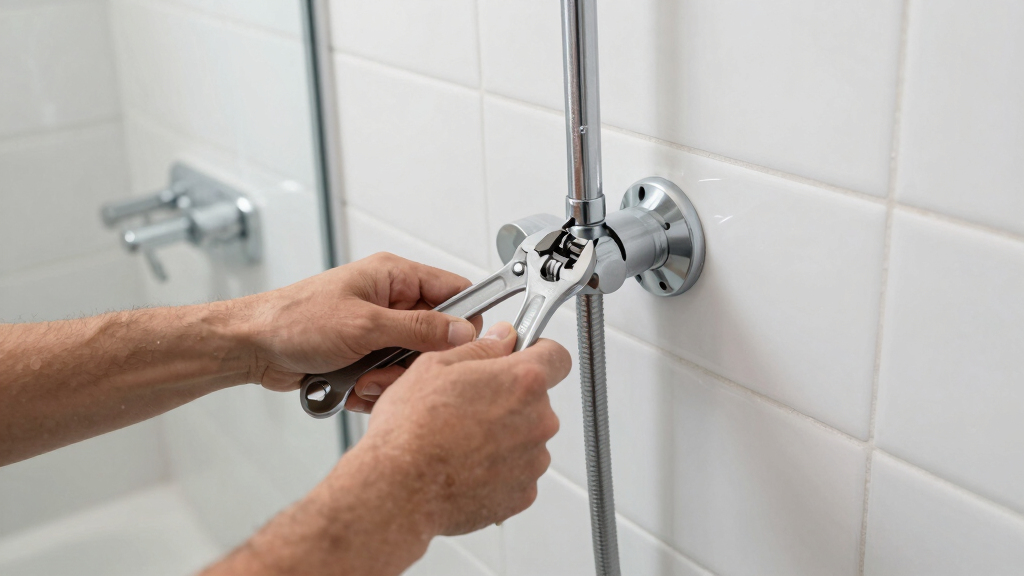
The process involves removing the existing tub/shower unit, preparing the space, and installing a new shower stall or enclosure. Homeowners report that this upgrade can be completed within a few days, depending on the complexity of plumbing and wall modifications. Costs vary widely, typically ranging from $1,000 to $5,000, including materials and labor. Experts emphasize the importance of proper waterproofing and adherence to local building codes, especially when removing or altering plumbing connections. Many DIY enthusiasts share that with proper planning and tools, this renovation is feasible for those with basic handyman skills, but professional installation is recommended for complex plumbing or structural work.
Why Replacing a Tub with a Stand-Up Shower Matters
This trend reflects broader shifts in home design prioritizing space efficiency and accessibility. Replacing a tub with a stand-up shower can free up bathroom space, making it more functional and easier to clean. It also benefits homeowners with mobility issues who prefer walk-in showers over tubs. Additionally, this modification can increase property value and appeal to future buyers seeking modern, accessible bathrooms. However, it may reduce the availability of a bathtub for families with children or for those who prefer soaking baths. Understanding these trade-offs helps homeowners make informed renovation decisions.
Products Worth Considering

Arlo Essential Wireless Security Camera 2K (3rd Gen) – 3-Cam Kit with Yard Sign

Levoit Core 300S-P Smart Air Purifier

Bose TV Speaker (2nd Gen) Compact Soundbar
As an affiliate, we earn on qualifying purchases.
Renovation Trends and Practical Considerations
The practice of replacing tubs with showers has gained popularity over the past decade, driven by urbanization and the need for more efficient use of space. Historically, bathrooms were designed with both a tub and shower, but many homeowners now opt for just a shower to maximize room. Building codes typically require proper waterproofing and ventilation, especially when removing existing fixtures. The process often involves removing the old tub, repairing or replacing drywall, and installing a new shower enclosure, with costs and complexity varying based on existing plumbing and wall materials. Recent discussions on r/HomeImprovement highlight that DIYers have successfully completed such projects, but caution about plumbing and waterproofing is advised.
“Replacing a tub with a walk-in shower is doable for DIYers with some plumbing experience, but always check local codes.”
— r/HomeImprovement community member
Unclear Aspects of the Replacement Process
It is not yet clear how widespread the trend is across different regions or the long-term durability of DIY installations. Specific costs can vary significantly based on existing plumbing and wall conditions. Additionally, some homeowners report challenges with waterproofing and sealing, which could lead to leaks if not properly addressed. The impact on home value and resale potential remains to be fully quantified, and more data is needed on the legal and code compliance aspects in various jurisdictions.
Next Steps for Homeowners Considering This Upgrade
Homeowners interested in replacing their tub/shower combo with a stand-up shower should consult local building codes and consider hiring licensed professionals for plumbing and waterproofing work. Planning the project thoroughly, including budgeting for materials and labor, is essential. Future developments may include more accessible shower designs, such as barrier-free or curbless models, which are gaining popularity. Homeowners should also monitor local regulations and seek advice from experienced contractors to ensure compliance and durability.
Key Questions
Can I replace my bathtub with a shower myself?
Yes, homeowners with basic plumbing and DIY skills can undertake this project, but it is recommended to consult local codes and consider hiring professionals for plumbing and waterproofing tasks.
How much does it cost to replace a tub with a shower?
The cost typically ranges from $1,000 to $5,000, depending on materials, complexity, and whether plumbing modifications are needed.
Will replacing a tub with a shower affect my home’s value?
It can increase appeal for buyers seeking modern, accessible bathrooms, but may reduce options for families needing a bathtub. The impact varies based on local preferences and market trends.
What are the main technical considerations?
Proper waterproofing, adequate ventilation, and adherence to local building codes are essential for a successful and durable installation.
Are there alternative shower options to consider?
Yes, options include barrier-free or curbless showers, which are increasingly popular for accessibility and modern aesthetics.
Source: r/HomeImprovement