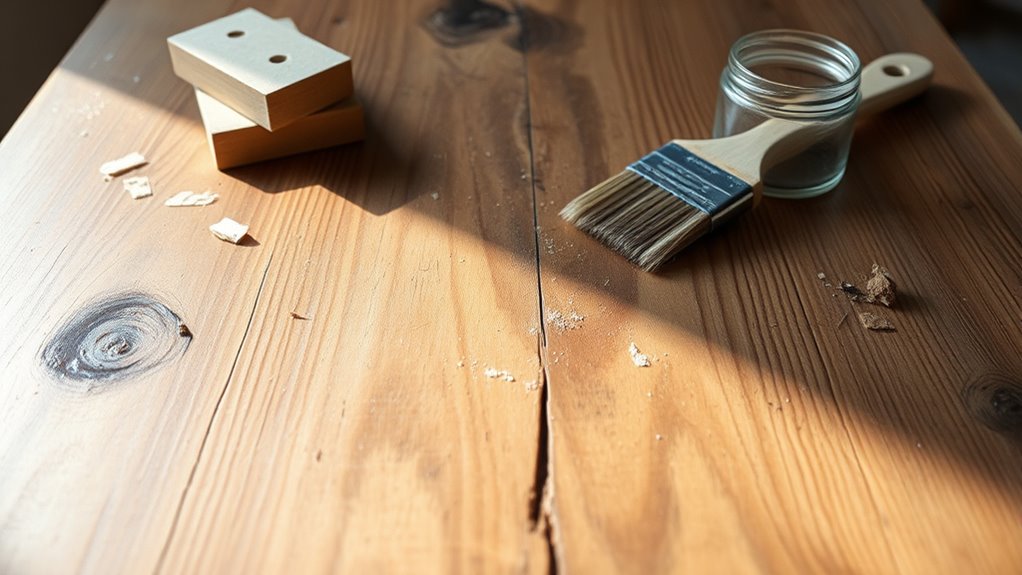

Refinishing old wooden furniture starts with gathering essential tools like sandpaper, brushes, and eco-friendly finishes, then evaluating your piece for damage or wear. Next, carefully remove the old finish using sanding or chemical strippers and prepare the surface by cleaning and smoothing it. Repair cracks or chips with fillers, then apply stain or paint evenly with proper technique. Patience during application and drying ensures a polished result—continue exploring each step for success.

Get furniture and decor delivered free with Prime
- Fast, free delivery on millions of items
- Prime Video, Amazon Music and more included
- Member-only deals all year
Key Takeaways
- Start with thorough surface cleaning and light sanding to prepare the wood for refinishing.
- Assess and repair damages using suitable fillers and tools before applying new finishes.
- Use eco-friendly stains and finishes, applying thin coats with proper technique for an even, professional look.
- Remove old finishes carefully with chemical strippers or sanding, working in well-ventilated areas.
- Finish with clear sealants to enhance wood grain and ensure durability of the restored furniture.
As an affiliate, we earn on qualifying purchases.
Gathering the Necessary Tools and Materials

Before you begin refinishing your old wooden furniture, it’s important to gather all the necessary tools and materials. Understanding the wooden furniture history helps you appreciate the craftsmanship and choose appropriate eco-friendly refinishing options. You’ll need basic supplies like sandpaper, brushes, and a clean cloth, along with eco-friendly finishes such as natural oils or water-based stains. Consider investing in a paint stripper or chemical-free cleaner to remove old finishes safely. Using eco-friendly products not only protects the environment but also preserves your furniture’s integrity. Make sure you have gloves, a mask, and proper ventilation for safety. Gathering quality tools and sustainable materials sets a solid foundation for a successful refinishing project, respecting both history and the planet. Additionally, being aware of AI safety developments can inform you about innovative, safer products and techniques in the industry.
eco-friendly wood stain and finish
As an affiliate, we earn on qualifying purchases.
As an affiliate, we earn on qualifying purchases.
Assessing the Condition of Your Furniture
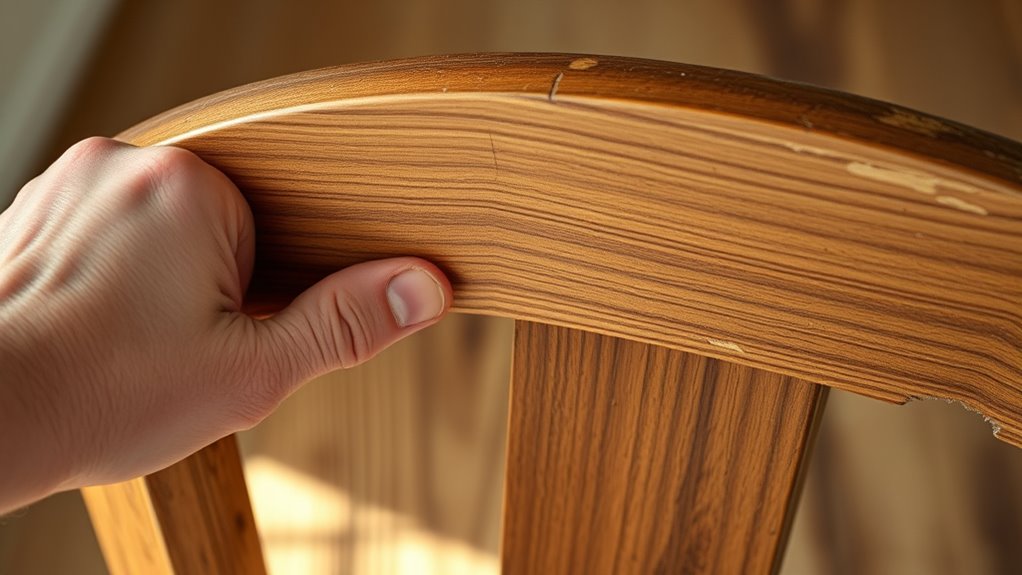
Once you’ve gathered your tools and materials, the next step is to carefully assess the current condition of your furniture. This involves examining the wood for any damage, such as cracks, warping, or rot, and determining its wood identification to understand how best to treat it. Pay attention to areas where the finish has worn thin or chipped, and evaluate whether the piece retains its original structure or if repair is needed. Also, consider its historical significance; knowing if it’s an antique or has unique features can influence your refinishing approach.
- Check for structural stability and loose joints
- Identify wood type for appropriate refinishing methods
- Look for signs of previous restorations or damage
- Note any markings or details that reflect its historical value
chemical stripper for wood furniture
As an affiliate, we earn on qualifying purchases.
As an affiliate, we earn on qualifying purchases.
Removing Old Finish and Surface Preparation

Removing the old finish is a crucial step to guarantee a smooth and durable refinishing process. It reveals the wood grain, allowing you to see its natural beauty and identify any imperfections that need fixing. Proper removal prevents residue from affecting the new finish, ensuring better adhesion and increased finish durability. Use a chemical stripper or sanding method suited to the furniture’s current finish and type of wood. Always work in a well-ventilated area and wear protective gear. Carefully strip or sand away the old finish, paying attention to details around corners and crevices. Once the surface is clean and smooth, you’ll have a solid foundation for your refinishing project. This step sets the stage for achieving a professional-looking, long-lasting result. Additionally, understanding the sound vibrations involved in surface preparation can help optimize your technique for better results.
wood filler for cracks and chips
As an affiliate, we earn on qualifying purchases.
As an affiliate, we earn on qualifying purchases.
Sanding Techniques for a Smooth Finish
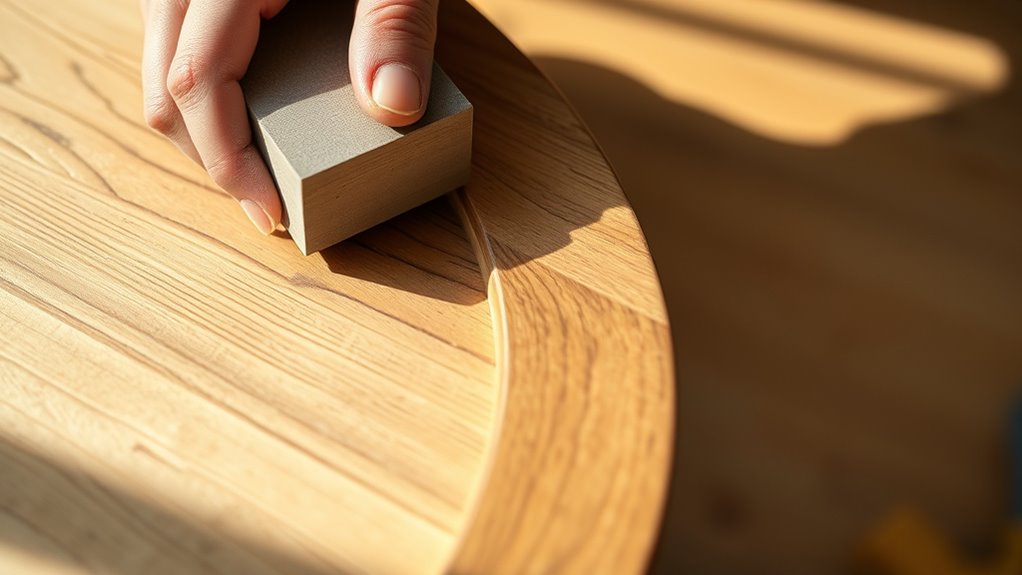
Choosing the right grit sandpaper is essential for a smooth surface, starting with coarser grits and progressing to finer ones. Use steady, even motions to avoid gouging the wood and guarantee uniform removal of old finish. Make sure to cover all areas evenly for a professional, polished look. Additionally, considering color accuracy during refinishing can help ensure the new finish complements the wood’s natural tones and enhances its appearance.
Sandpaper Grit Selection
Selecting the right sandpaper grit is essential to achieving a smooth, professional finish on your wooden furniture. Start with coarse grits like 80 or 100 to remove old paint or rough surfaces. Progress to medium grits such as 150 or 180 for smoothing out scratches from the initial sanding. Finish with fine grits like 220 or higher to create an even, polished surface. Using abrasive pads can help you reach tight corners and detailed areas efficiently. Remember, grit progression is key—each step gradually refines the surface without damaging the wood. Be mindful to switch to finer grits gradually, ensuring a seamless changeover. Proper grit selection and progression will give your furniture a flawless, smooth finish, ready for staining or sealing. Incorporating safety considerations such as dust masks and proper ventilation during sanding will help protect your health and ensure a safer refinishing process.
Proper Sanding Motion
To achieve a smooth, professional finish, using the right sanding motion is just as important as choosing the correct grit. Keep your sander or sandpaper moving in consistent, even strokes, either with the grain of the wood or in long, smooth circles. This helps prevent uneven surfaces and streaks. When removing paint or old finish, focus on gentle, steady pressure to avoid gouging the wood. Proper polishing techniques involve light, overlapping passes that gradually smooth the surface. Avoid pressing too hard, which can cause scratches or uneven sanding. Maintain a steady pace and ensure the sander stays flat against the wood. This controlled motion results in a more uniform, refined surface, making subsequent refinishing steps easier and more effective.
Ensuring Even Coverage
Ensuring even coverage during sanding is essential for a smooth, professional-looking finish. Proper technique helps prevent uneven spots and prepares the surface for staining or painting. Use consistent brush techniques to avoid gouges and streaks, maintaining steady pressure and overlapping strokes. When color matching, fine-tune your sanding to guarantee the surface is uniformly smooth, which enhances the final color application. To achieve this, follow these steps:
- Use a fine-grit sandpaper for a gentle, even surface
- Sand in the direction of the wood grain to prevent scratches
- Regularly check your work from different angles for consistency
- Keep the surface clean from dust to avoid imperfections during finishing
- Be aware that electric power generation with bike generators can be a sustainable way to power your workspace, reducing electrical costs during projects.
These practices ensure your sanding results in a flawless, even base for your refinishing project.
Repairing and Filling Damages
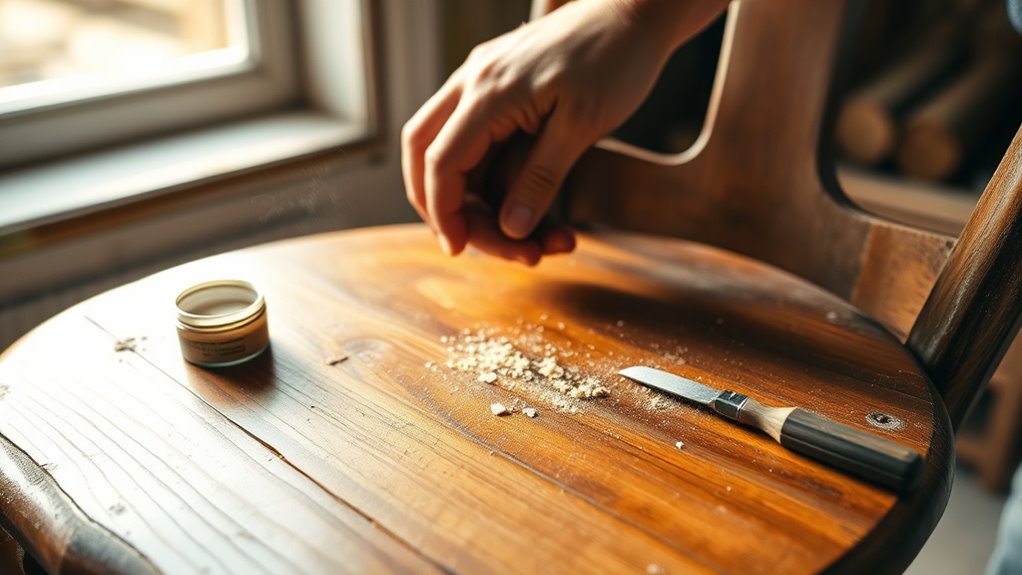
Start by carefully evaluating the extent of the damage to determine the best repair approach. Choose filling materials that match your furniture’s wood type and color for a seamless look. Then, apply the filler using proper techniques to ensure a smooth, durable repair that’s ready for sanding and finishing. To achieve the best results, consider the best laundry detergents for cleaning and preparing the surface before refinishing.
Assessing Damage Extent
When evaluating the damage on your wooden furniture, it’s important to carefully examine the extent of cracks, chips, or deep scratches. Look closely at the wood grain to identify areas where damage has compromised the surface. Removing hardware is essential to access all affected spots and ensure a thorough assessment. Check if the cracks are superficial or if they extend deeper into the wood, which may require more extensive repairs. Consider whether the damage disrupts the furniture’s stability or aesthetic appeal. Take note of any missing pieces or loose joints that could worsen over time. Properly evaluating these factors helps determine the appropriate filling materials and repair techniques needed to restore your furniture’s integrity and beauty. Additionally, understanding the type of wood and its susceptibility to damage from moisture or pests can guide your repair approach and long-term preservation strategies.
Choosing Filling Materials
Choosing the right filling materials is crucial for effectively repairing damaged wooden furniture. You’ll find various wood filler options, each suited for different types of damage and finishes. Filling material types include epoxy putty, wood putty, and solvent-based fillers. Epoxy provides durability and is ideal for deep cracks or large holes, while wood putty is easier to work with for small scratches and surface repairs. Consider the specific damage and the desired finish when selecting your filler. Some fillers are stainable, allowing you to match the repair with the surrounding wood, while others may require sanding or painting afterward. Selecting the appropriate filling material ensures a seamless repair that blends well with the existing wood, setting a solid foundation for refinishing. Proper application timing, such as applying filler on clean, dry surfaces, can also enhance adhesion and durability application timing.
Proper Application Techniques
To achieve a seamless repair, you need to apply filling materials carefully and correctly. Start by selecting the right filler and mixing it properly, ensuring a smooth, consistent texture. When applying, use precise brush techniques to spread the filler evenly into cracks or holes, avoiding excess build-up. For small damages, a fine brush works best, while larger repairs may require broader strokes. Proper paint mixing ensures color matches and proper adhesion. Take your time, and don’t rush the process. After filling, smooth the surface with a putty knife or sanding block to achieve an even finish. Keep your tools clean and work in a well-ventilated area to prevent messes and guarantee safety. Additionally, understanding the different filler types such as wood putty or epoxy can help you choose the best option for your specific repair. With careful application, your repair will blend seamlessly into the original wood.
Choosing the Right Stain or Paint

Selecting the right stain or paint is essential for achieving the look you want and making sure your furniture’s durability. Start by considering your preferred color matching—whether you want a natural wood appearance or a bold, vibrant finish. If eco-friendly options matter to you, look for stains and paints labeled as low-VOC or water-based, which are safer for the environment and your health. Think about the existing decor and how the piece will fit into your space. Light stains can highlight wood grain, while darker colors offer dramatic transformation. Testing small samples helps you see how the stain or paint reacts with your furniture before committing. Choosing wisely ensures the finished piece looks beautiful and lasts for years. Best Beaches destinations often feature scenic views and charming local shops that can inspire your refinish project.
Applying the Finish: Staining, Painting, or Sealing

Once you’ve picked the right stain or paint, it’s time to apply the finish to bring your vision to life. Your goal is to achieve a smooth, professional look while enhancing the wood grain. Use proper techniques to guarantee even coverage and avoid drips. Focus on color matching techniques to make sure the finish complements your furniture and surroundings. For wood grain enhancement, consider applying a clear sealant or topcoat that highlights natural patterns. When staining, wipe off excess to prevent blotches. If painting, use light, even strokes for a consistent coat. Remember, patience is key—allow each layer to dry thoroughly before proceeding. These steps ensure your refinished piece looks polished and vibrant.
Tips for Achieving an Even Coating

To get a smooth, even finish, start by thoroughly prepping your furniture surface to remove dust and old finish. When applying your coat, use thin layers to prevent drips and uneven coverage. Keep these tips in mind to achieve a professional-looking result every time.
Prep Surfaces Thoroughly
Before applying a new finish, it’s essential to prepare the surface thoroughly to guarantee an even coating. Proper prep ensures the wood grain is smooth and free of imperfections, especially on furniture legs where unevenness is obvious. Start by cleaning the surface with a damp cloth to remove dust and grease. Lightly sand the entire piece using fine-grit paper, paying close attention to the wood grain for a smooth finish. Focus on areas like furniture legs that may have dents or scratches. Wipe away dust afterward with a tack cloth. Consider using a wood conditioner if the surface is porous, to promote uniform absorption. This prep step minimizes blotches and guarantees your finish adheres evenly, giving your furniture a professional look.
Apply Thin Coats
Applying thin coats of finish is key to achieving a smooth, professional look on your furniture. Use consistent brush techniques to prevent streaks and uneven coverage. Start with a high-quality brush or foam applicator, and work with the grain for even paint blending. Don’t overload your brush; dip lightly and wipe off excess to avoid drips. Apply multiple thin coats rather than one thick layer, allowing each coat to dry thoroughly before adding the next. This method minimizes brush marks and helps achieve a seamless finish. Keep your strokes steady and avoid going over the same area repeatedly, which can cause unevenness. Patience is essential—taking your time with thin coats results in a beautifully refined, durable finish that enhances your furniture’s appearance.
Drying and Curing Your Refinished Piece
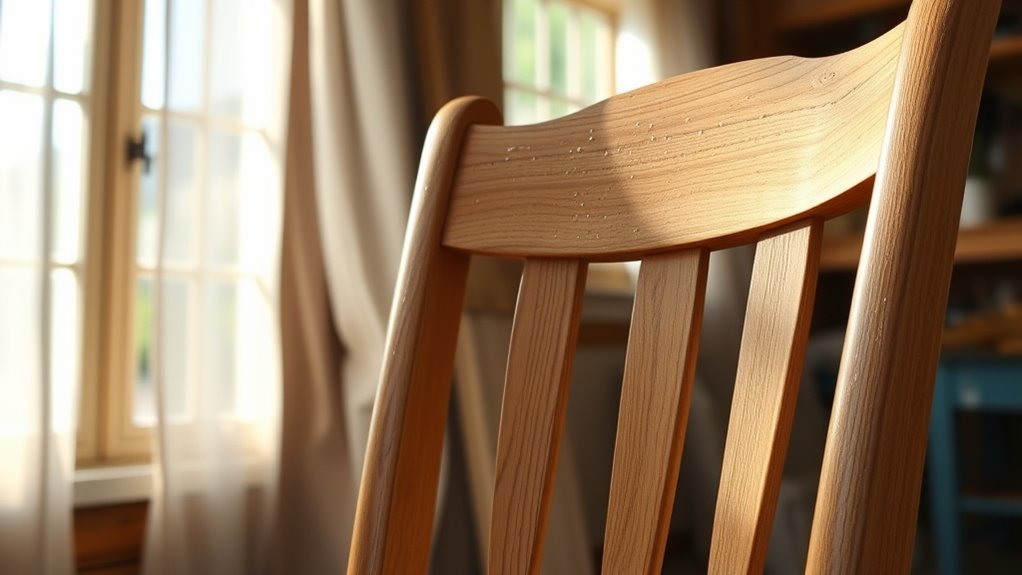
After you’ve finished refinishing your wooden furniture, it’s crucial to allow the paint or stain to dry completely and cure properly. The drying process ensures the surface is no longer tacky, while curing time allows the finish to reach its maximum durability. During this period, avoid placing objects on or heavily handling your piece to prevent damage. Proper drying and curing influence the longevity of your finish, so patience is key. Factors like humidity and temperature affect these times, so monitor conditions carefully. To ensure ideal results, consider the following:
- Keep the piece in a well-ventilated area
- Maintain stable temperature and humidity levels
- Avoid direct sunlight during drying
- Wait at least the recommended curing time before use
Caring for and Maintaining Your Refinished Furniture
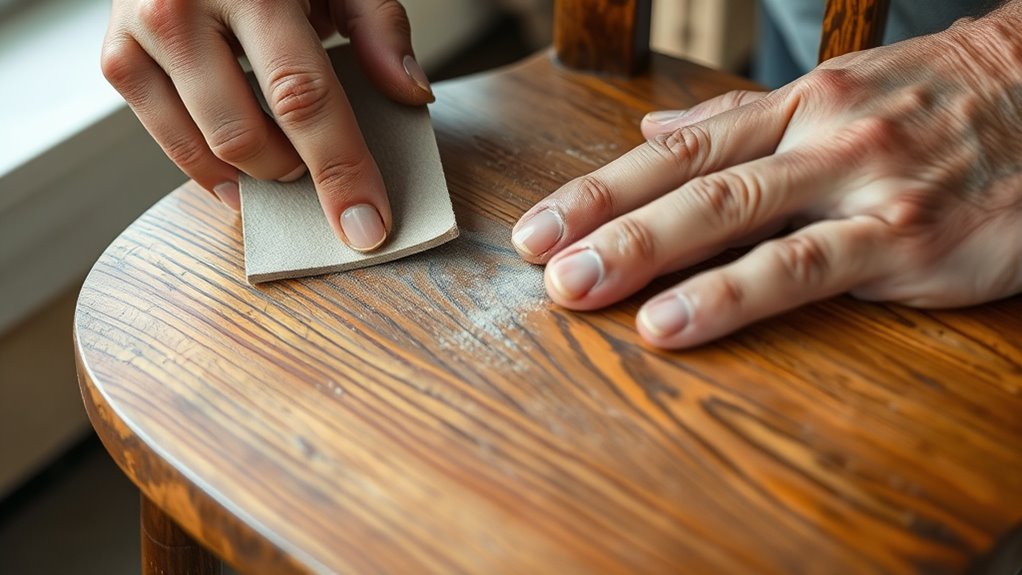
Proper care and regular maintenance are essential to keep your refinished furniture looking beautiful and lasting for years. To maintain its luster, use gentle polishing techniques, such as a soft cloth and furniture polish suited for the finish type. Avoid harsh chemicals that can damage the surface. Regular dusting helps preserve the finish and prevents scratches. When it comes to hardware, preserve its appearance by cleaning it carefully and tightening loose screws rather than replacing it unnecessarily. Protect your furniture from direct sunlight, excessive moisture, and extreme temperatures, which can cause warping or fading. Applying a fresh coat of polish periodically will revive the shine and extend the life of your piece. With proper care, your refinished furniture remains a stunning centerpiece for years to come.
Frequently Asked Questions
How Long Does Each Step Typically Take?
When you’re refinishing wood, each step’s duration varies. Wood prep and paint removal can take anywhere from 30 minutes to a few hours, depending on the furniture’s condition and the paint’s thickness. You might spend extra time sanding or cleaning surfaces. Expect the entire process to take a day or two, especially if you’re doing multiple coats or letting paint dry thoroughly. Patience guarantees a smooth, professional finish.
Can I Refinish Furniture Outdoors?
Imagine you’re refinishing a picnic table in your backyard, but outdoor weathering and UV rays threaten your work. You can refinish furniture outdoors, but it’s best to choose a dry, mild day. Applying a UV protection finish helps prevent sun damage, extending your piece’s life. Keep in mind, outdoor conditions can affect drying times and finish quality, so plan your project when the weather is stable for best results.
What Safety Precautions Should I Follow?
When refinishing furniture, you should always prioritize safety. Wear protective gear like gloves, goggles, and a mask to shield yourself from dust, fumes, and chemicals. Guarantee proper ventilation by working outdoors or in a well-ventilated area, and use fans or open windows to improve airflow. Follow all product instructions carefully, and take breaks to avoid inhaling too much dust or fumes. Your safety is essential for a successful project.
How Do I Handle Stubborn Old Paint or Finish?
Dealing with difficult, stubborn paint or finish can be intimidating. First, use a paint remover or finish stripper to soften the surface. Gently scrub or scrape away the stubborn layers with a plastic scraper or steel wool. Always work in a well-ventilated space, wear protective gloves, and follow safety instructions. Patience and persistence are key—slowly but surely, you’ll successfully strip away the old, stubborn finish.
Is It Possible to Refinish Antique Furniture Without Lowering Its Value?
You can absolutely refinish antique furniture without diminishing its value by focusing on antique preservation. Using modern refinishing techniques, you can carefully clean and restore the piece while maintaining its original charm. Avoid aggressive stripping or heavy alterations, and opt for gentle cleaning, minimal intervention, and subtle touch-ups. This approach ensures your furniture retains its historical integrity, making it a valuable and cherished piece for years to come.
Conclusion
With patience, practice, and proper preparation, you’ll perfect your furniture’s finish. Embrace the effort to eliminate imperfections, enhance elegance, and enjoy the exceptional satisfaction of a job well done. Remember, refining, restoring, and reimagining old wood isn’t just work—it’s a rewarding ritual. So, stay steady, seize the skills, and savor your stunning, salvaged, and sparkling furniture masterpiece!
Halloween Picks
halloween
As an affiliate, we earn on qualifying purchases.