TL;DR
Overwatering is a common cause of houseplant decline. Proper watering techniques, drainage, and root health checks can prevent and reverse damage. Experts emphasize careful watering and drainage control.
Overwatering is the leading cause of houseplant death, according to horticultural experts, and many plant owners are unknowingly drowning their plants. Proper watering techniques and drainage are crucial to prevent root rot and revive struggling plants, making this guidance essential for indoor gardeners.
Experts like Jesse Waldman from Pistils Nursery warn that overwatering causes roots to rot, leading to plant decline. To prevent this, plant owners should check soil dryness before watering, use planters with drainage holes, and water thoroughly until excess drains out. When a plant shows signs of distress—yellowing leaves, brown tips, mushiness—it may be overwatered, not thirsty.
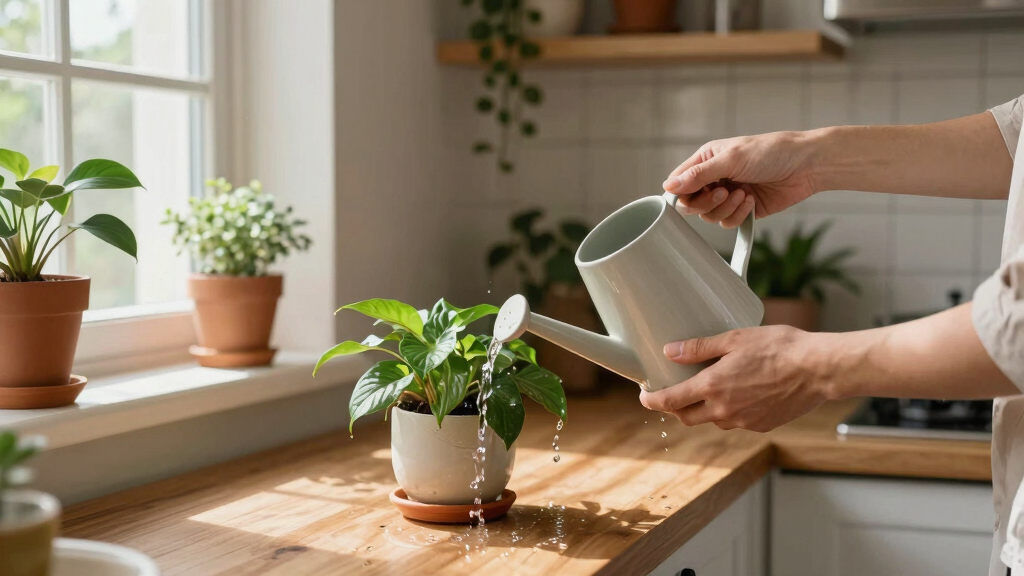
Careful root inspection is recommended: if roots are black or brown and mushy, they are rotting. Pruning these and repotting can save the plant. Watering should be done by soaking the soil thoroughly, then allowing it to drain completely. For larger plants, removing from the pot for a sink shower is advised, or using a saucer to catch excess water. Bottom watering is an alternative for certain containers, but not suitable for all.
Additionally, experts advise against using non-draining planters, as they increase the risk of waterlogging. Regularly checking soil moisture and ensuring proper drainage are key to long-term plant health.
Impacts of Proper Watering on Indoor Plant Health
Correct watering practices are vital for maintaining healthy houseplants, preventing root rot, and avoiding plant death. With indoor gardening becoming more popular, understanding these techniques helps plant owners avoid costly mistakes and ensures their plants thrive, contributing to better indoor air quality and aesthetic appeal.

1.8L Watering Can for Indoor Plants, Small Watering Can with Long Spout & Removable Nozzle, Plastic Indoor Water Can for House Plants, Garden Flowers(Approx. 0.5 Gallon)
- Customizable Water Flow: Detachable shower nozzle for different spray modes
- Long Reach Spout: 14-inch thin spout for easy access to tricky spots
- Large Capacity: 1.8L water storage for less frequent watering
As an affiliate, we earn on qualifying purchases.
As an affiliate, we earn on qualifying purchases.
Common Mistakes and Expert Watering Recommendations
Many houseplant owners struggle with overwatering, often mistaking signs of drought for thirst. Historically, watering has been inconsistent, with some relying on routine schedules rather than soil moisture. Recent expert advice emphasizes that soil should be checked for dryness before watering, and drainage is critical. The trend towards using planters with drainage holes has increased, but many still use non-draining containers, risking root rot.
In recent years, awareness of root rot caused by overwatering has grown, prompting better education on watering techniques. This shift aims to reduce plant mortality and improve indoor plant care standards.
“Overwatering is the easiest way to kill a houseplant. Roots rot, and the plant can’t take in water anymore.”
— Jesse Waldman from Pistils Nursery

Utopia Home Plant Pots Indoor with Drainage Holes – Set of 5 White Plastic Flower Pots (7/6.6/6/5.3/4.8 Inch) – Modern Planters for Indoor Plants, Room & Office Décor, Great Stocking Stuffers
- Set of 5 White Plastic Pots: Indoor and outdoor use
- Multiple Sizes Included: Various dimensions for versatility
- Drainage Holes and Saucers: Ensure healthy plant growth
As an affiliate, we earn on qualifying purchases.
As an affiliate, we earn on qualifying purchases.
Uncertainties in Water Quality and Long-term Practices
While experts agree on the importance of drainage and soil checks, debates persist about the best water quality for houseplants. Some claim tap water with chlorine and fluoride may harm plants over time, but conclusive scientific evidence is limited. The effectiveness of adding pebbles or using specific watering techniques also varies by plant type and environment.
Additionally, the optimal frequency of watering for different species and conditions remains individualized, with ongoing research needed to refine recommendations.
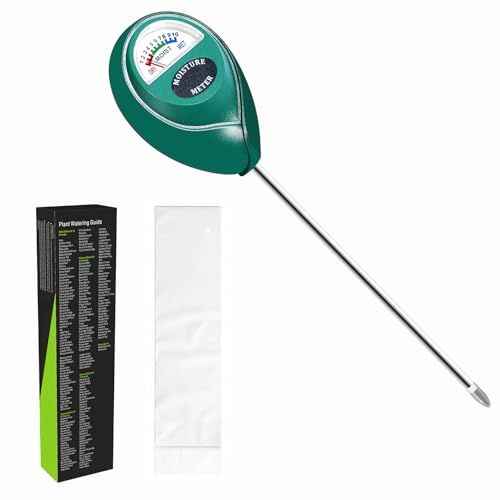
XLUX Plant Soil Moisture Meter, for Indoor and Outdoor use, Battery-Free
- Trusted Since 2015: Reliable and accurate soil moisture readings
- Battery-Free Design: No batteries or charging required
- Deep Root Zone Measurement: Probes soil at root level for accuracy
As an affiliate, we earn on qualifying purchases.
As an affiliate, we earn on qualifying purchases.
Next Steps for Better Indoor Plant Care
Plant owners should adopt regular soil moisture checks and use planters with drainage to prevent root rot. Future research may clarify water quality effects and develop tailored watering schedules for various houseplants. Educational campaigns and expert guidance are expected to further improve indoor gardening success rates.

Melphoe 25Pcs Mini Garden Hand Transplanting Succulent Tools Set, 39.4" Thickened Repotting Mat & Plant Tag, Miniature Planting Indoor Fairy Care, Potting, Cactus, Houseplant Bonsai Tool Kit (Black)
- Complete Mini Garden Tool Set: Suitable for succulents, bonsai, cactus, and small indoor plants
- Thick Waterproof Repotting Mat: 39.4 inches, stain-resistant, foldable, with copper buckles
- Precision Watering Bottle: Bend-mouth design for targeted watering, small water flow
As an affiliate, we earn on qualifying purchases.
As an affiliate, we earn on qualifying purchases.
Key Questions
How often should I water my houseplants?
Water only when the top inch of soil feels dry. The frequency varies based on plant type, light, and environment, but soil dryness is the best indicator.
Can I use tap water for my houseplants?
Yes, tap water is generally safe, but allowing it to sit for 24 hours can help dissipate chlorine. For plants sensitive to fluoride, using filtered or distilled water may be better.
What are signs of overwatering?
Yellowing leaves, brown tips, mushy stems, and soil that remains wet for too long indicate overwatering. Roots may also appear black or brown and mushy upon inspection.
Is bottom watering better than top watering?
Bottom watering can help prevent overwatering and encourages roots to absorb water evenly, but it’s not suitable for all containers. It’s effective for porous pots and when carefully timed.
How can I revive a dying houseplant?
Check root health, prune rotted roots, repot in well-draining soil, and adjust watering to ensure soil dries out between sessions. Proper drainage and thorough watering are key.
Source: Architectural Digest