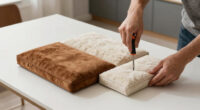
Before updating your fireplace wall, prioritize safety by ensuring compliance with codes and using non-combustible, heat-resistant materials. Consider the style to match your interior decor and plan for proper installation, whether DIY or professional. Check that your chosen materials are durable, easy to clean, and tested for high temperatures. Avoid obstructing airflow or ventilation. To learn more about creating a safe, stylish, and lasting fireplace update, keep exploring these critical factors.
Key Takeaways
- Ensure compliance with safety codes and proper clearance from heat sources.
- Select heat-resistant, durable materials like stone, brick, or tile suitable for high temperatures.
- Verify materials are tested and rated for fire safety and long-term wear.
- Match the design with existing decor and consider aesthetic and functional integration.
- Determine if professional installation is needed to ensure safety and proper execution.

Updating a fireplace wall can dramatically enhance your living space, but before you start, it’s important to take into account several key factors. One of the most critical considerations is guaranteeing fireplace safety. Your fireplace isn’t just a decorative feature; it’s a source of heat that needs to be safe for everyone in the household. Before making any updates, verify that your current setup complies with safety codes and regulations. If you’re planning to change the materials or extend the wall, check whether the new design maintains proper clearance from the firebox and other heat-sensitive elements. Installing non-combustible materials around the fireplace is essential to prevent fire hazards. Additionally, consider whether the updates could obstruct ventilation or airflow, which might lead to smoke buildup or inefficient combustion. Proper ventilation and contrast ratio are crucial to ensure safe and efficient operation. Adequate airflow is especially important if you’re upgrading to a more powerful or modern fireplace model. Prioritizing safety guarantees your fireplace remains a cozy feature without posing risks. Incorporating air quality considerations can also help minimize indoor pollutants like dust and microplastics that may be disturbed during renovations. Ensuring proper material testing can further confirm that your selected materials are suitable for high-temperature environments, adding an extra layer of safety.
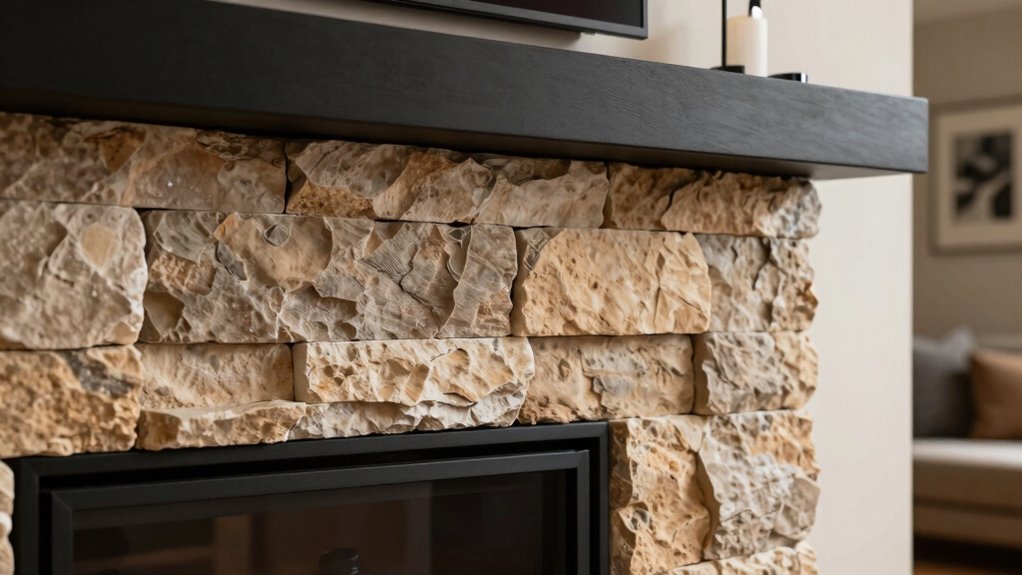
Material durability is another essential factor. When selecting materials for your fireplace wall, you want options that withstand high temperatures and resist wear over time. For example, natural stone, brick, or tile are popular choices because they’re tough and maintain their appearance despite exposure to heat and soot. If you’re considering wood or drywall, remember that these materials are less durable in high-heat zones and may require additional protective measures or fire-resistant coatings. Durability also involves ease of cleaning; a surface that traps soot or dust can become a hassle to maintain. Choosing durable, heat-resistant materials not only prolongs the lifespan of your update but also minimizes ongoing maintenance. Selecting fire-resistant materials can significantly improve the safety and longevity of your fireplace wall.
Beyond safety and material durability, think about the style and how it complements your existing decor. Updating a fireplace wall isn’t just about functionality—it’s also a chance to express your aesthetic. Whether you opt for a sleek modern look or a rustic charm, ensure the design aligns with your overall interior. Also, consider the installation process and whether you’ll need professional help or can handle it yourself. Proper installation is essential to guarantee the safety and longevity of your update.
fireplace heat resistant tiles
As an affiliate, we earn on qualifying purchases.
As an affiliate, we earn on qualifying purchases.
Frequently Asked Questions
How Much Does a Fireplace Wall Update Typically Cost?
A fireplace wall update typically costs between $2,000 and $10,000, depending on your fireplace design and material selection. If you choose simple tile or paint, costs stay lower, around $2,000 to $4,000. Upgrading with stone or custom materials can increase expenses. You’ll want to take into account the complexity of your design, the materials’ durability, and overall aesthetic to make sure your investment aligns with your style and budget.
Can I Update My Fireplace Wall Myself?
You can update your fireplace wall yourself if you have DIY safety skills and experience with materials selection. Start by researching proper safety precautions, like wearing goggles and masks, especially when working with paint, tile, or drywall. Choose durable, heat-resistant materials suitable for fireplaces. If you’re unsure about venting or structural changes, it’s best to consult a professional. This way, you guarantee a safe, long-lasting update that enhances your space.
How Long Does a Fireplace Wall Renovation Usually Take?
A fireplace wall renovation typically takes 1 to 2 weeks, depending on the scope of your fireplace design and wall materials. If you’re updating with new tiles, stone, or drywall, expect some delays. Planning carefully, coordinating with professionals, and choosing durable materials can help accelerate the process. Be patient, as quality work ensures a beautiful, lasting update that enhances your space and complements your fireplace’s style.
Are There Any Building Codes I Should Be Aware Of?
Yes, you should be aware of building codes, including obtaining building permits if required in your area. Fire safety regulations are vital to follow, especially around the fireplace, to prevent hazards. Check with your local building department for specific requirements on materials and clearance distances. Making certain of compliance helps you avoid fines and guarantees your fireplace update is safe and legal. Always prioritize safety and proper permits before starting your renovation.
Will Updating the Wall Affect My Home’s Energy Efficiency?
Updating your fireplace wall can impact your home’s energy efficiency, especially through fireplace design and material selection. If you choose insulating or heat-reflective materials, you can improve heat retention and reduce energy loss. Opting for a modern, well-sealed design minimizes drafts and enhances efficiency. Be mindful of the materials you select, ensuring they’re suitable for heat exposure and meet energy conservation goals, ultimately helping you save on heating costs.
non-combustible fireplace wall materials
As an affiliate, we earn on qualifying purchases.
As an affiliate, we earn on qualifying purchases.
Conclusion
Before you plunge into updating your fireplace wall, make sure you’ve weighed all your options and considered the style, materials, and safety. It’s easy to get carried away with the latest trends, but remember, a well-thought-out plan pays off in the long run. Don’t rush into it—sometimes the best thing to do is take a step back and think it through. After all, a stitch in time saves nine, so plan smart and enjoy a cozy, stylish centerpiece for years to come.
fireplace safety clearance tools
As an affiliate, we earn on qualifying purchases.
As an affiliate, we earn on qualifying purchases.
fireplace ventilation accessories
As an affiliate, we earn on qualifying purchases.
As an affiliate, we earn on qualifying purchases.