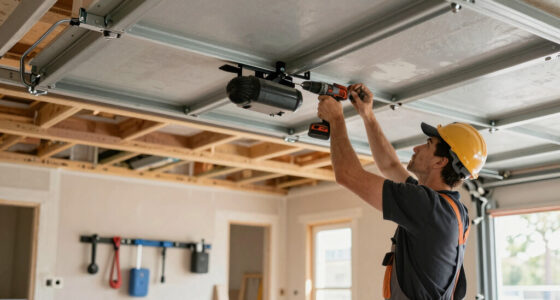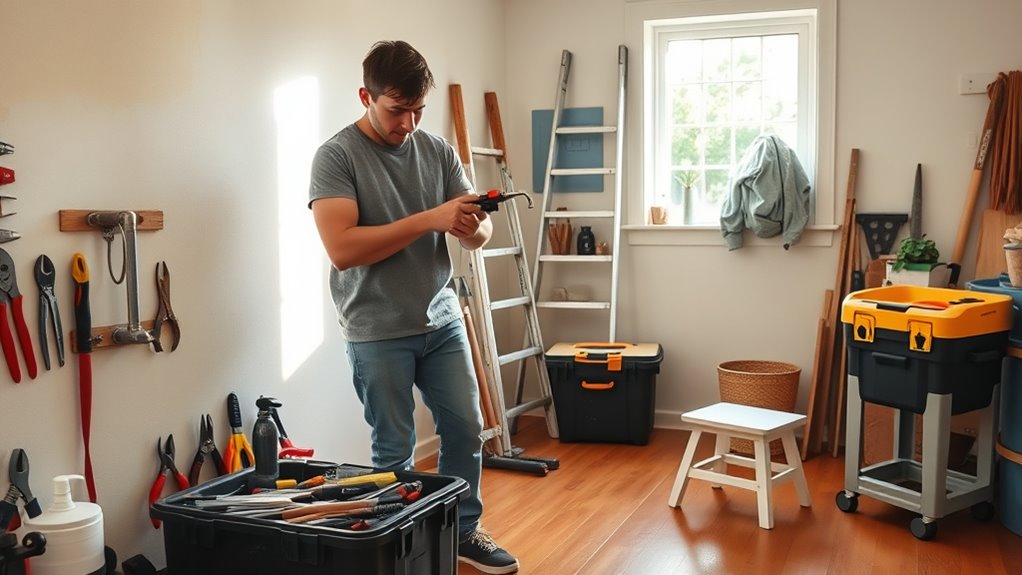

You can tackle many essential home maintenance tasks yourself, saving money and preventing costly repairs. Simple projects like fixing leaks, clearing clogged drains, replacing worn-out weatherstripping, cleaning gutters, and changing filters are all manageable with basic tools and some patience. By staying on top of these tasks, you improve your home’s safety and efficiency. Keep going, and you’ll discover even more ways to handle common household issues effectively and confidently.

Get furniture and decor delivered free with Prime
- Fast, free delivery on millions of items
- Prime Video, Amazon Music and more included
- Member-only deals all year
Key Takeaways
- Many basic repairs like fixing leaks, unclogging drains, and replacing washers can be done with minimal tools and effort.
- Routine tasks such as changing filters or cleaning gutters help maintain appliances and prevent costly damage.
- Troubleshooting electrical issues by checking bulbs, resetting breakers, or replacing switches can often be managed safely at home.
- Regular home system checks and maintenance extend the lifespan of appliances and improve overall safety and efficiency.
- DIY tasks save money, boost home safety, and develop useful skills for ongoing home care and future repairs.
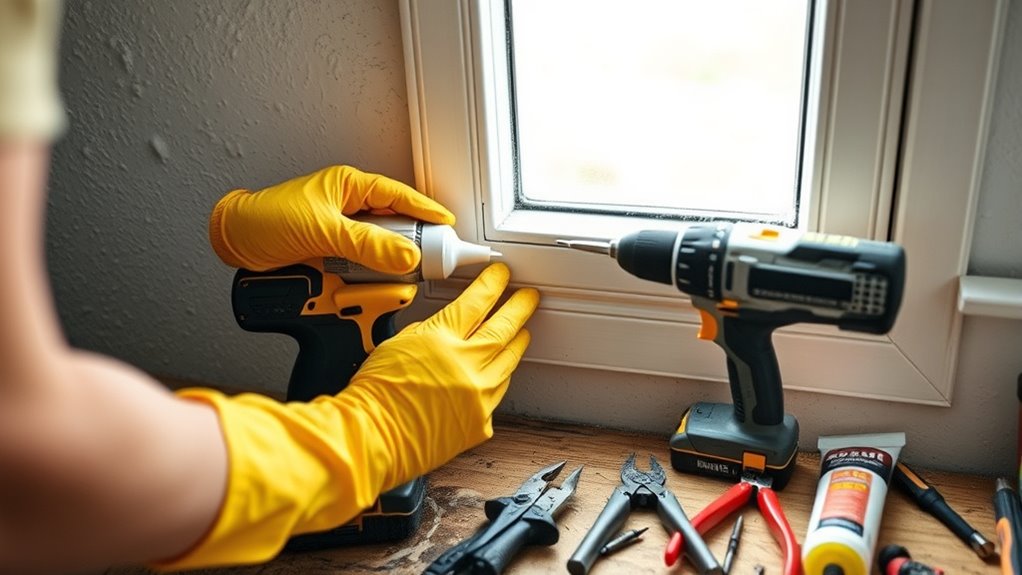
Taking care of your home doesn’t have to be complicated or expensive. Many maintenance tasks are straightforward and can save you money if you handle them yourself. Whether it’s fixing a leaky faucet or diagnosing an electrical issue, you can develop skills that make your home more comfortable and safe. Starting with basic plumbing repairs, you can often clear clogged drains, tighten loose fittings, or replace washers without calling in a professional. For instance, if your sink is slow to drain, you might clear the blockage with a plunger or a drain snake. Replacing a worn-out washer in your faucet can stop leaks and save water. These small fixes require minimal tools and some patience, and they markedly improve your home’s function.
Electrical troubleshooting is another area where you can make a difference. When a light flickers or a socket stops working, it doesn’t always mean you need an electrician. First, check if the bulb is burned out or if the circuit breaker has tripped. Resetting a breaker is simple, but always proceed with caution—turn off the power at the main panel if you’re inspecting wiring or replacing switches. You can replace a faulty switch or outlet by turning off the power first, then unscrewing the device and connecting the wires to the new one. It’s essential to understand basic wiring and safety procedures, but many tutorials are available to guide you through these tasks. Learning electrical troubleshooting not only helps resolve minor issues but also prevents larger problems from developing. Remember, if you’re ever unsure or uncomfortable working with electrical components, it’s best to consult a professional.
In addition to plumbing repairs and electrical troubleshooting, routine maintenance tasks like changing filters, cleaning gutters, and inspecting seals around windows and doors can be tackled easily. These projects keep your home running efficiently and reduce the risk of more costly repairs down the line. For example, clearing out your gutters before winter prevents water damage, while replacing weatherstripping around doors keeps your heating and cooling bills in check. It might seem minor, but these small efforts build up over time and give you a sense of accomplishment. Regular maintenance also benefits from understanding home appliance care, which can extend the lifespan of your systems and appliances.
As an affiliate, we earn on qualifying purchases.
Frequently Asked Questions
How Often Should I Perform Routine Home Maintenance Tasks?
You should perform routine home maintenance tasks regularly to keep your home in top shape. Schedule seasonal checkups for HVAC systems, gutters, and roofing, and do pest prevention measures before pests become a problem, especially in spring and fall. Monthly, check smoke detectors and clean appliances. By staying consistent, you’ll prevent costly repairs and guarantee your home remains safe and comfortable year-round.
What Safety Precautions Are Essential for DIY Home Repairs?
Think of safety as your trusty shield in DIY repairs. Always wear safety gear—gloves, goggles, mask—to guard against hazards. Stay alert and aware of potential dangers, like loose wires or slippery surfaces. Keep a clear workspace, and never rush. Remember, hazard awareness is your best tool for preventing accidents, so approach each task with caution and respect, turning your home project into a safe, successful adventure.
Which Tools Are Necessary for Basic Home Maintenance?
For basic home maintenance, you need essential tools like a power drill and an adjustable wrench. The power drill helps you drill holes and drive screws efficiently, saving time and effort. The adjustable wrench is versatile for loosening or tightening nuts and bolts on plumbing or furniture. These tools are reliable and easy to handle, making your DIY projects smoother and more manageable. Always remember to use safety gear when working with power tools.
How Do I Identify When a Professional Is Needed?
When deciding if you need a professional assessment, look for signs like persistent issues, safety hazards, or complex repairs beyond your skill level. If you notice potential hazards or can’t identify the problem clearly, it’s best to seek expert help. Professionals are trained in hazard recognition and can handle tricky tasks safely, saving you time and preventing further damage. Always trust your judgment when safety is involved.
Are There Eco-Friendly Options for Common DIY Repairs?
Think of your home as a garden needing gentle tending. For common DIY repairs, eco-friendly options bloom beautifully. You can use eco-friendly cleaning products to nurture your space without harming the environment. Opt for sustainable repair materials like bamboo, recycled metal, or reclaimed wood, which act as your home’s roots, supporting sustainability. These choices let you care for your home and the planet, cultivating a healthier, greener living environment.
As an affiliate, we earn on qualifying purchases.
Conclusion
Taking on these home maintenance tasks empowers you to protect your space and save money. With a little effort, you turn simple fixes into a rhythm of routine that keeps your home running smoothly. Remember, every small repair is a step toward a more comfortable, efficient living space. So roll up your sleeves, embrace the challenge, and let your home reflect your care—because a well-maintained house is the heartbeat of a happy life.
As an affiliate, we earn on qualifying purchases.
As an affiliate, we earn on qualifying purchases.
Halloween Picks
halloween
As an affiliate, we earn on qualifying purchases.