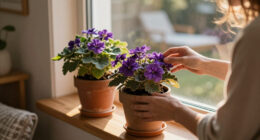
To construct a biophilic wall with planters and lighting, start by selecting lightweight, durable planters with proper drainage and arrange low-light plants like pothos or snake plants alongside brighter species such as ferns or succulents. Install adjustable LED grow lights to highlight the greenery and guarantee ideal growth. Maintain the system with regular watering, pruning, and fertilizing. With careful planning, you’ll create a vibrant, healthy environment—learn more about each step to make your project flourish.
Key Takeaways
- Select lightweight, durable planters with proper drainage and waterproofing for wall installation.
- Choose suitable low-light and bright plants to create a lush, layered aesthetic.
- Install adjustable LED grow lights to enhance natural light and highlight plant textures.
- Develop a maintenance routine including watering, fertilizing, pruning, and periodic rotation.
- Combine thoughtful plant arrangement, lighting, and planters to transform walls into vibrant biophilic features.

Creating a biophilic wall is a rewarding way to bring nature indoors and enhance your space’s aesthetic and health benefits. When you focus on indoor greenery and wall installation, you’re transforming a plain wall into a vibrant, living feature that energizes your environment. The process starts with selecting the right planters, which should be lightweight, durable, and suited for wall mounting. You can choose anything from modular pockets to custom-built planters, depending on your style and the variety of plants you want to showcase. Guaranteeing proper drainage is essential; you don’t want excess water to damage your wall or create mold. Incorporate a drip tray or waterproof lining behind your planters to keep the installation neat and safe.
Transform your space with a lush, wall-mounted garden using lightweight, well-drained planters for a vibrant indoor oasis.
Once your planters are securely mounted, you can choose plants that thrive indoors and require minimal maintenance. Opt for low-light species like pothos, snake plants, or philodendrons if your space doesn’t get much natural sunlight. For brighter spots, consider ferns or succulents, which add texture and color. Arranging your indoor greenery thoughtfully will create a lush, layered look that mimics natural ecosystems. Remember, varying plant heights and leaf shapes adds visual interest and depth to your biophilic wall. Additionally, understanding plant care requirements is key to maintaining a healthy, thriving indoor garden.
Lighting plays an indispensable role in maintaining healthy indoor greenery and making your wall installation truly stand out. After setting up your plants, install adjustable LED grow lights to guarantee they receive adequate light, especially if natural sunlight is limited. Position the lights strategically to highlight the plants’ textures and colors, but avoid placing them too close to prevent heat stress. Dimmable options give you flexibility to change the ambiance and adapt to different times of day. If your space has access to natural light, supplement it with sheer curtains or reflective surfaces to maximize the effect without overwhelming your plants.
To keep your biophilic wall thriving, you’ll need to establish a regular care routine. Water your plants according to their specific needs—most indoor greenery prefers consistent moisture but not sogginess. Fertilize periodically with a balanced, water-soluble fertilizer to promote healthy growth. Prune dead or yellowing leaves and rotate plants occasionally to prevent them from becoming leggy or uneven. Incorporate a watering system such as a drip irrigation setup for ease and precision.
Building a biophilic wall with planters and lighting isn’t just about aesthetics; it’s about creating a living, breathing environment that boosts well-being. With thoughtful planning, proper wall installation, and attentive care, you’ll craft a stunning, healthy indoor ecosystem that brings the outdoors inside, enriching your daily life.
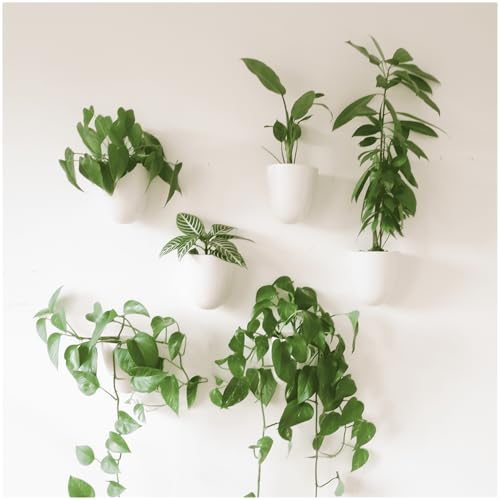
Make Good PlantPod Luxe – Self-Watering Wall Planters (Set of 6) – Easy to Water and Install – Lightweight – Design Your Own Vertical Garden – Wall Planters for Indoor Plants
- Self-watering system: Water plants for weeks at a time
- Health benefits: Enhance health, focus, and creativity
- Modern design: Durable plastic with matte finish
As an affiliate, we earn on qualifying purchases.
As an affiliate, we earn on qualifying purchases.
Frequently Asked Questions
What Are the Best Plants for Biophilic Walls?
You should choose plants like pothos, ferns, and succulents for your biophilic wall, as they thrive in various growth requirements and are easy to maintain. When selecting plants, consider their light, water, and humidity needs to guarantee healthy growth. These options add lush greenery, improve air quality, and create a calming atmosphere, making your wall both beautiful and sustainable. Proper plant selection is key to a thriving biophilic wall.
How Do I Maintain Lighting for Year-Round Growth?
Ever wondered how to keep your biophilic wall thriving year-round? You should set lighting schedules that mimic natural daylight, providing consistent light for your plants. Make seasonal adjustments by increasing or decreasing light duration and intensity, especially during shorter winter days. Use adjustable grow lights to guarantee your plants receive the right amount of light regardless of the season. Isn’t it satisfying to create a vibrant, lush wall all year long?
Can I Install a Biophilic Wall Outdoors?
Yes, you can install a biophilic wall outdoors, but you need to take into account outdoor placement and weather conditions. Make sure to choose weather-resistant planters and plants suited for your climate. Protect your wall from extreme weather by using durable lighting and materials. Regular maintenance ensures your wall stays lush and healthy year-round. With proper planning, your outdoor biophilic wall will thrive and add beauty to your space.
What Are Common Pests or Diseases to Watch For?
You should watch for pests like aphids, spider mites, and scale insects, which can damage your plants. Fungal diseases such as powdery mildew and root rot are common issues. To prevent pests, practice pest prevention by inspecting plants regularly and removing affected foliage. For disease management, make certain proper watering, good airflow, and use organic or chemical treatments if needed. Staying vigilant helps keep your biophilic wall healthy and thriving.
How Much Does Building a Biophilic Wall Typically Cost?
Building a biophilic wall can cost between $2,000 and $10,000, depending on size and complexity. You’ll want to take into account cost estimation carefully, factoring in material selection like planters, lighting, and support structures. Larger, more intricate designs, especially those with advanced lighting, will increase your budget. By choosing quality materials, you guarantee durability and a stunning, sustainable feature that transforms your space into a lush, calming environment.

Aokrean Grow Lights for Indoor Plants, Full Spectrum Plant Light with Base
- Stable Stand Design: Requires pot to stabilize stand
- Two Installation Methods: Insert in soil or use stand
- Multiple Lighting Modes: White, warm white, red, mix
As an affiliate, we earn on qualifying purchases.
As an affiliate, we earn on qualifying purchases.
Conclusion
As you bring your biophilic wall to life, remember it’s like planting a seed that grows into a thriving ecosystem. Just as a single plant can transform a space, your effort creates a sanctuary that nurtures both mind and environment. Studies show that biophilic design boosts well-being by up to 15%. So, keep nurturing your wall—it’s more than decor; it’s a living affirmation to harmony between nature and your space.

Hanging Planter Pot Half Round Imitation Rattan European Style Wall Flowerpot Rustic Decorative Flower Basket Semicircle Plastic Plant Baskets Container Flower Pot with Drainage and Hooks for(Green L)
- Creates a lively spring atmosphere: Brings freshness and beauty to your space
- Lightweight and durable resin material: Easy to install with included parts
- Anti-leakage and breathable design: Prevents root rot and promotes healthy growth
As an affiliate, we earn on qualifying purchases.
As an affiliate, we earn on qualifying purchases.

Automatic Drip Irrigation System for Indoor Plants, 2026 Automatic Plant Waterer for 15 Potted Plants Watering with Anti-Siphon and Humidity Mode, Timer, Rechargeable Vacation Self-Watering Pump
- Vacations Self-Watering for 15 Plants: Reliable watering for up to 15 pots
- 33 FT Tube Kit Included: Extended reach for indoor plants
- Rechargeable Battery Lasts 30+ Days: Long-lasting power for travel convenience
As an affiliate, we earn on qualifying purchases.
As an affiliate, we earn on qualifying purchases.