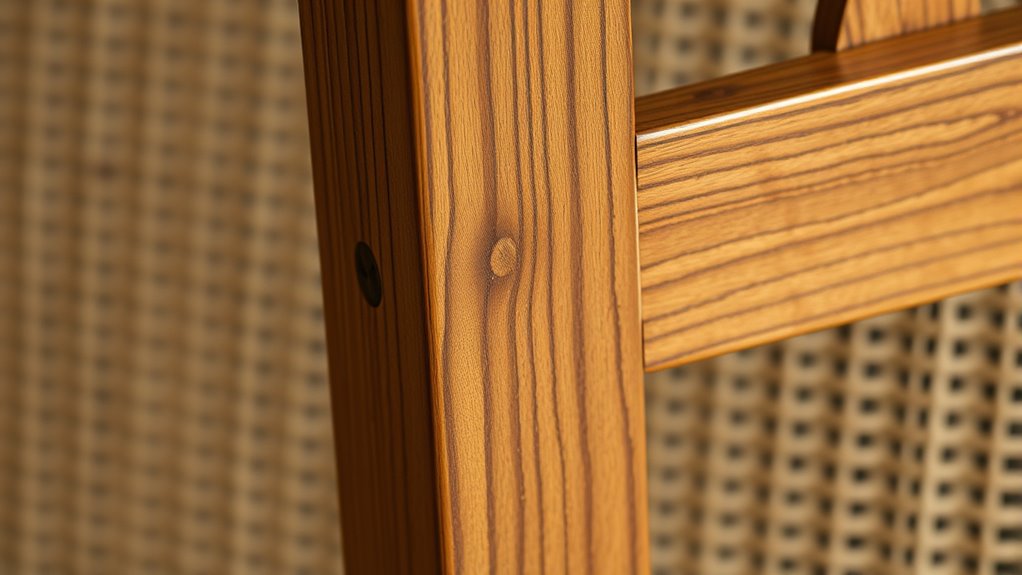

To spot quality craftsmanship in decor and furniture, look for fine details like intricate carvings, perfectly aligned joints, and smooth finishes. Check if authentic materials such as solid wood and genuine leather are used, revealing natural textures and subtle imperfections. Feel the weight and sturdiness of the piece, and examine construction techniques like dovetail drawers or reinforced joints. If you’re curious about uncovering even more tips, keep exploring how to spot true quality.

Get furniture and decor delivered free with Prime
- Fast, free delivery on millions of items
- Prime Video, Amazon Music and more included
- Member-only deals all year
Key Takeaways
- Look for handcrafted details like intricate carvings, precise joints, and decorative accents that showcase skill.
- Check for authentic materials such as solid wood, genuine leather, and natural stone, not veneers or particleboard.
- Examine construction techniques like reinforced joints and dovetail drawers for durability and quality.
- Feel the furniture—quality pieces are substantial, with hardware and finishes that exude permanence.
- Inspect for natural textures, color variations, and imperfections that signal genuine, authentic materials.
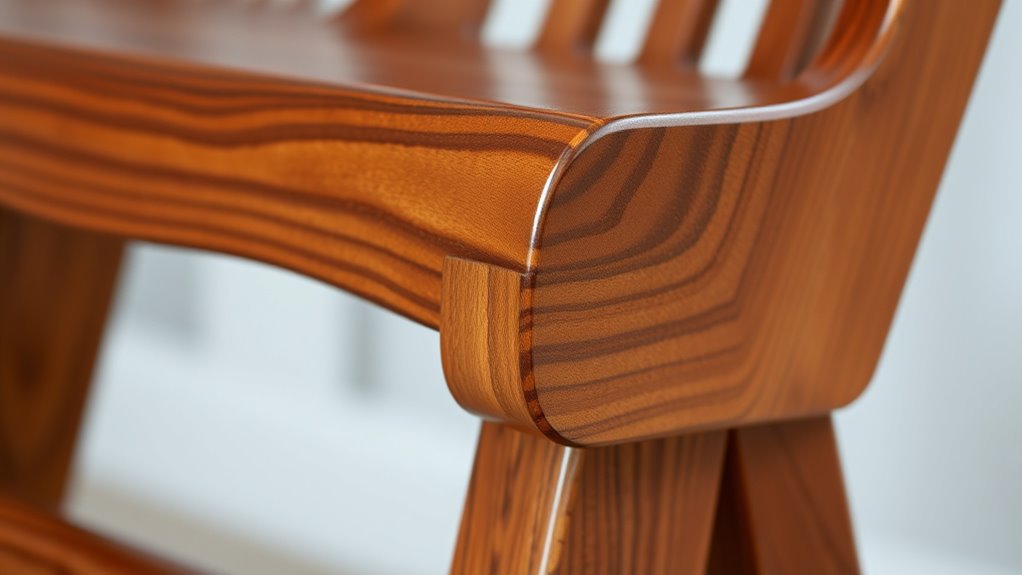
How can you tell if decor and furniture are truly high quality? It’s a question many people ask when shopping for pieces that will last and stand out. The first thing to look for is craftsmanship that reflects attention to detail. High-quality furniture often features handcrafted details that showcase the skill and care poured into every element. These details might include intricate carvings, perfectly aligned joints, or subtle decorative accents that aren’t mass-produced or rushed. When you examine a piece closely, notice the small touches—smooth finishes, precise inlays, or decorative hardware that looks intentionally chosen rather than randomly assembled. These handcrafted details demonstrate the craftsmanship and pride of the maker, setting apart well-made furniture from cheaper, generic options. Authentic craftsmanship often involves traditional techniques that require skill and patience, ensuring the piece’s longevity and unique character.
Material authenticity is another key indicator of quality. Authentic materials—like solid wood, genuine leather, or natural stone—offer durability and a timeless appeal that imitators can’t match. Look for furniture pieces that clearly state the type of wood used, such as oak, walnut, or mahogany, rather than veneer or particleboard. Genuine leather should feel soft and supple, not plasticky or overly uniform, and it should develop a rich patina over time. When it comes to decor, authentic materials often have unique textures, natural imperfections, and variations in color that signal they are real, not synthetic or artificially manufactured. These natural qualities not only enhance aesthetic appeal but also ensure your investment lasts longer, as authentic materials tend to age gracefully and withstand daily wear and tear.
Additionally, check the construction techniques used in the piece. High-quality furniture often features reinforced joints, dovetail drawers, or corner blocks that strengthen the overall structure. These details might be invisible at first glance but become apparent upon closer inspection. Poorly constructed furniture, by contrast, might wobble, creak, or show gaps where parts don’t align properly. Authentic materials combined with skilled craftsmanship create a product that is not only visually appealing but also built to endure for years. Paying attention to material selection and construction methods helps ensure you’re choosing furniture designed for both beauty and durability.
Finally, trust your instincts. Quality furniture and decor feel substantial in your hands, not flimsy or overly lightweight. When you handle a piece, it should exude a sense of permanence and care. Combining your tactile impressions with an eye for handcrafted details and material authenticity helps you distinguish true quality from lower-grade imitations. Investing in well-crafted decor and furniture means choosing pieces that reflect durability, artistry, and genuine materials, giving you a foundation for a beautiful, lasting space.
Frequently Asked Questions
How Can I Tell if Furniture Is Sustainably Made?
You can tell if furniture is sustainably made by checking for certifications like FSC or GREENGUARD, which indicate eco-friendly materials and sustainable manufacturing. Look for labels that specify the use of recycled or responsibly sourced wood, metal, or fabric. Ask retailers about their supply chain practices and whether they prioritize reducing environmental impact. When you choose furniture with these indicators, you’re supporting eco-conscious craftsmanship and making a greener choice for your space.
What Are Common Signs of Poor Craftsmanship?
Imagine a ship’s hull, sturdy but marred by cracks—poor craftsmanship indicators. You can spot these in furniture when joints are loose, uneven seams, or rough finishing. Look for signs like uneven paint, wobbly legs, or visible glue. These flaws signal subpar quality assessments. Trust your eyes and touch; well-crafted pieces feel solid, with seamless details, showing real craftsmanship rather than shortcuts or shortcuts.
How Does Hand Finishing Compare to Machine Finishing?
You’ll notice that hand finishing offers a unique hand touch, giving each piece subtle imperfections and character that reflect craftsmanship. In contrast, machine finishing provides consistent, precise results thanks to machine precision, ensuring uniformity across furniture. While machine finishing is efficient, it can lack the personal touch of hand finishing. Ultimately, your choice depends on whether you value artisanal character or flawless consistency in your decor and furniture.
What Tools or Tests Can Assess Material Durability?
You wonder how to assess material durability? Start with simple tests like applying gentle pressure to check for flexibility and strength. Look for scratch or stain resistance by testing surfaces with a key or damp cloth. Pay attention to the material’s wear resistance over time, noting how it withstands daily use. These tools and tests reveal the true quality of the material’s strength and longevity, ensuring your furniture endures with elegance.
How Do I Verify the Authenticity of Antique Pieces?
To verify the authenticity of antique pieces, start by examining authenticity markers such as maker’s marks, stamps, or signatures, which often indicate genuine craftsmanship. You can also look for signs of antique restoration, like mismatched wood or modern nails, that might affect value. Research the piece’s history, consult reputable appraisers, and compare it with similar authentic antiques. These steps help confirm your antique is genuine and well-preserved.
Conclusion
When you spot impeccable craftsmanship, you’re witnessing artistry that surpasses mere furniture—it’s like holding a piece of history, a work of art that whispers elegance and durability. With discerning eyes, you reveal the secret to timeless beauty and unmatched quality, elevating your space to a domain where furniture isn’t just functional but a masterpiece of design. Trust your instincts and embrace the extraordinary—because true craftsmanship doesn’t just last, it redefines luxury itself.
Halloween Picks
halloween
As an affiliate, we earn on qualifying purchases.