
The best home design book overall is Made for Living, a versatile choice for readers who want inviting interiors and ideas that work across styles. For practical, room-by-room guidance, The New York School of Interior Design: Home is a stronger fit, while Architectural Digest: The Most Beautiful Rooms in the World suits readers seeking visual inspiration. The main tradeoff is between books that teach decisions you can apply at home and those that focus on aspirational photography, design history, or a specific mood. Some also concentrate on outdoor living, well-being, or a signature designer’s aesthetic rather than whole-home decorating. Continue reading for the full breakdown and help choosing the right book for your space and goals.

Get furniture and decor delivered free with Prime
- Fast, free delivery on millions of items
- Prime Video, Amazon Music and more included
- Member-only deals all year
Complete the kit


Key Takeaways
- Made for Living leads for broad appeal: it offers an approachable path through varied interior styles rather than centering on one designer or decorating mood.
- The New York School of Interior Design: Home stands apart for foundational guidance, making it the better choice when you want to learn design principles instead of mainly browsing room photography.
- The lineup splits between practical instruction and visual inspiration: books such as Home and The Calm & Collected Home Design Handbook lean toward usable guidance, while the Architectural Digest volumes emphasize images, notable homes, and design culture.
- Several titles focus on a specific outcome—calm, happiness, nature, or outdoor living—so their narrower scope can be a strength if that is your goal and a limitation if you need whole-house advice.
- Premium visual books are not automatically the most useful: a large collection of striking interiors can spark ideas, but readers making real decorating decisions may benefit more from clear principles and adaptable examples.
| Made for Living: Collected Interiors for All Sorts of Styles |  | Best for Eclectic, Collected Interiors | ASIN: 1984823914 | Format: Book | Subject: Collected interior design | VIEW LATEST PRICE | See Our Full Breakdown |
| AD at Home: Architectural Digest |  | Best for Architectural Digest Fans | ASIN: 0847875733 | Product title: AD at Home: Architectural Digest | Named publication: Architectural Digest | VIEW LATEST PRICE | See Our Full Breakdown |
| Take It Outside: A Guide to Designing Beautiful Spaces Just Beyond Your Door | 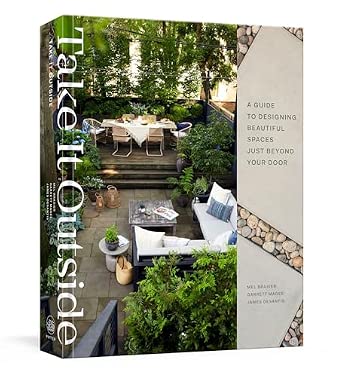 | Best for Outdoor Living Spaces | ASIN: 0593139429 | Format: Book | Subject: Outdoor space design | VIEW LATEST PRICE | See Our Full Breakdown |
| Right at Home: How Good Design Is Good for the Mind |  | Best for Design and Well-Being | ASIN: 059357835X | Format: Book | Subject: Interior design and psychology | VIEW LATEST PRICE | See Our Full Breakdown |
| Ralph Lauren: A Way of Living — Home, Design, Inspiration |  | Best for a Signature Designer Perspective | ASIN: 0847872149 | Format: Book | Named designer: Ralph Lauren | VIEW LATEST PRICE | See Our Full Breakdown |
| Home Therapy: Interior Design for Increasing Happiness, Boosting Confidence, and Creating Calm |  | Best for Well-Being-Focused Design | Format: Book | Subject: Interior design | Stated focus: Increasing happiness | VIEW LATEST PRICE | See Our Full Breakdown |
| Architectural Digest at 100: A Century of Celebrity Homes, Iconic Designers, and Evolving American Taste |  | Best for Design History and Inspiration | Format: Book | Publisher: Architectural Digest | Coverage: A century of magazine archives | VIEW LATEST PRICE | See Our Full Breakdown |
| The Art of Home: A Designer Guide to Creating an Elevated Yet Approachable Home |  | Best for Polished, Livable Interiors | Format: Not specified | Subject: Home design | Positioning: Designer guide | VIEW LATEST PRICE | See Our Full Breakdown |
| Call It Home: The Details That Matter | 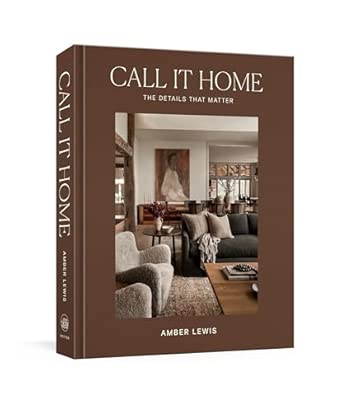 | Best for Detail-Oriented Browsers | Format: Not specified | Subject: Home design | Stated focus: Details that matter | VIEW LATEST PRICE | See Our Full Breakdown |
| The Harmonious Home: Designing Peaceful, Personal Spaces Inspired by Nature |  | Best for Nature-Inspired Calm | Format: Not specified | Subject: Home design | Stated focus: Peaceful spaces | VIEW LATEST PRICE | See Our Full Breakdown |
| Homebody: A Guide to Creating Spaces You Never Want to Leave |  | Best for Comfort-Focused Decorating | Format: Book | Title: Homebody: A Guide to Creating Spaces You Never Want to Leave | Subject: Home design | VIEW LATEST PRICE | See Our Full Breakdown |
| Home by Design: Transforming Your House into Home |  | Best for a Personal Home-First Perspective | Format: Book | Title: Home by Design: Transforming Your House into Home | Subject: Home design | VIEW LATEST PRICE | See Our Full Breakdown |
| Architectural Digest: The Most Beautiful Rooms in the World |  | Best for Global Interior Inspiration | Format: Book | Title: Architectural Digest: The Most Beautiful Rooms in the World | Subject: Interior design | VIEW LATEST PRICE | See Our Full Breakdown |
| The Calm & Collected Home Design Handbook: A Visual Guide to Room-by-Room Decorating, Color Palettes, and Budget-Friendly Comfort |  | Best for Practical, Budget-Aware Decorating | Format: Book | Title: The Calm & Collected Home Design Handbook: A Visual Guide to Room-by-Room Decorating, Color Palettes, and Budget-Friendly Comfort | Subject: Home decorating | VIEW LATEST PRICE | See Our Full Breakdown |
| New York School of Interior Design: Home: The Foundations of Enduring Spaces |  | Best for Design Foundations | Format: Book | Title: New York School of Interior Design: Home: The Foundations of Enduring Spaces | Subject: Interior design | VIEW LATEST PRICE | See Our Full Breakdown |
| home design book | ASIN | Format | Subject | Stated focus |
|---|---|---|---|---|
| Made for Living: Collected Int | 1984823914 | Book | Collected interior design | — |
| AD at Home: Architectural Dige | 0847875733 | Not specified | — | — |
| Take It Outside: A Guide to De | 0593139429 | Book | Outdoor space design | — |
| Right at Home: How Good Design | 059357835X | Book | Interior design and psychology | — |
| Ralph Lauren: A Way of Living | 0847872149 | Book | Home design and living | Design and inspiration |
| Home Therapy: Interior Design | 0593233239 | Book | Interior design | Increasing happiness |
| Architectural Digest at 100: A | 1419733338 | Book | — | — |
| The Art of Home: A Designer Gu | 078523683X | Not specified | Home design | — |
| Call It Home: The Details That | 0593235525 | Not specified | Home design | Details that matter |
| The Harmonious Home: Designing | 0593582225 | Not specified | Home design | Peaceful spaces |
| Homebody: A Guide to Creating | 006280197X | Book | Home design | — |
| Home by Design: Transforming Y | 1561586188 | Book | Home design | — |
| Architectural Digest: The Most | 0847868486 | Book | Interior design | — |
| The Calm & Collected Home Desi | B0HLN54FCV | Book | Home decorating | — |
| New York School of Interior De | 0804137196 | Book | Interior design | Foundations of creating enduring spaces at home |
More Details on Our Top Picks
Made for Living: Collected Interiors for All Sorts of Styles
Made for Living earns its place for readers drawn to homes that feel assembled over time rather than matched from a single style template. Its focus on collected interiors across different styles makes it a broader source of visual direction than Ralph Lauren: A Way of Living, which centers on one designer’s approach. That range can help readers spot combinations they might adapt to their own rooms, though the available description does not establish how much practical instruction or project guidance the book includes. Compared with Right at Home, this is the more style-led choice; it is less clearly focused on the psychological effects of a space. Choose it for inspiration across varied interiors, not as a step-by-step renovation manual.
Pros:- Covers collected interiors rather than a single named style.
- Offers a range of stylistic inspiration for personalizing a home.
- A useful contrast to the more singular design perspective of Ralph Lauren: A Way of Living.
Cons:- The supplied product details do not confirm whether it includes actionable decorating or renovation guidance.
- Its broad style focus may feel less directed than a book built around a specific design philosophy.
Best for: Readers who want inspiration for mixing furnishings and decorating influences across more than one interior style.
Not ideal for: Readers seeking detailed renovation instructions, room-by-room plans, or a design guide centered on mental well-being.
- ASIN:1984823914
- Format:Book
- Subject:Collected interior design
- Style scope:A range of styles
- Primary focus:Interiors for different tastes
- Product title:Made for Living: Collected Interiors for All Sorts of Styles
Our verdict“Choose this book if you want varied inspiration for a home assembled around personal taste, rather than a narrowly defined style or practical renovation plan.”
AD at Home: Architectural Digest
AD at Home: Architectural Digest is the most publication-led pick in this group: its title points readers toward the Architectural Digest perspective rather than a specific design method or room-planning topic. That makes it a different choice from Take It Outside, which focuses on outdoor spaces, and Right at Home, which connects interiors with mental well-being. The supplied details do not describe the book’s contents, so I can’t confirm its scope, level of instruction, or which homes it features. That uncertainty matters for buyers who need a guide to solve a particular design problem. It makes more sense for someone specifically seeking an Architectural Digest-branded home-design book than for a reader who needs a clearly defined how-to resource.
Pros:- Clearly identified with Architectural Digest.
- Provides an alternative to topic-specific options such as Take It Outside.
- May suit readers choosing by publication identity rather than a particular design method.
Cons:- The supplied product data provides no description of its contents.
- Its instructional depth, design scope, and intended reader cannot be confirmed from the available details.
Best for: Readers specifically looking for a home-design book under the Architectural Digest name and who do not require a confirmed topic or instructional format.
Not ideal for: Buyers seeking a defined subject, practical decorating steps, or verified details about the rooms and design advice included.
- ASIN:0847875733
- Product title:AD at Home: Architectural Digest
- Named publication:Architectural Digest
- Product category:Home design book
- Format:Not specified
- Subject details:Not provided
Our verdict“Pick this only if the Architectural Digest name is your main draw; choose a more clearly described title if you want guidance on a specific design goal.”
Take It Outside: A Guide to Designing Beautiful Spaces Just Beyond Your Door
Take It Outside stands apart by taking home design beyond the interior: its stated subject is creating beautiful spaces just outside the door. That gives it a clearer niche than Made for Living, whose focus is collected interiors, and makes it the natural pick for readers planning to improve a yard, patio, or other area adjoining the home. The product information confirms the outdoor-design focus but does not specify projects, materials, or how-to detail, so buyers should not assume it is a technical landscaping manual. Its narrower scope is also its main tradeoff: readers decorating indoor rooms will get more direct inspiration from Ralph Lauren: A Way of Living or other interior-focused titles. Choose it when the outdoor connection is the priority.
Pros:- Has a defined focus on outdoor spaces adjoining the home.
- Addresses an area not covered by interior-centered titles such as Made for Living.
- Offers a design-oriented starting point for thinking about spaces beyond the door.
Cons:- The supplied description does not specify practical project steps or technical guidance.
- Its outdoor focus makes it less relevant to readers seeking indoor decorating ideas.
Best for: Homeowners or renters who want design inspiration for making an outdoor area just beyond their home more inviting.
Not ideal for: Readers focused on indoor rooms or those who need confirmed technical instructions for landscaping, construction, or outdoor materials.
- ASIN:0593139429
- Format:Book
- Subject:Outdoor space design
- Setting:Spaces just beyond the home
- Stated purpose:Guide to designing beautiful spaces
- Product title:Take It Outside: A Guide to Designing Beautiful Spaces Just Beyond Your Door
Our verdict“Choose this if your design project centers on an outdoor area connected to the home, not on decorating interior rooms.”
Right at Home: How Good Design Is Good for the Mind
Right at Home is the clearest choice here for readers who want to connect interior decisions with how a home feels and supports mental well-being. Its focus on the relationship between environments, cognition, and emotional health gives it a distinct purpose compared with Made for Living, which emphasizes varied interior styles, or Take It Outside, which centers on outdoor areas. The supplied description points to practical insights, but also warns that the book may not offer detailed steps for complex structural renovations. Its ideas may suit readers who want to think more deliberately about their surroundings, while those seeking a purely visual source of decorating inspiration may prefer a more style-forward title. This is the most concept-driven pick in the group.
Pros:- Connects interior design with mental and emotional well-being.
- Offers a distinct perspective from style-focused books such as Made for Living.
- Provides practical insights for thinking about the effects of home environments.
Cons:- May not provide actionable steps for complex structural changes.
- Its psychology-focused approach may not suit readers seeking a purely aesthetic guide.
Best for: Readers interested in how room design and home environments may support emotional well-being and cognitive function.
Not ideal for: Readers looking mainly for aesthetic inspiration or detailed instructions for structural renovation projects.
- ASIN:059357835X
- Format:Book
- Subject:Interior design and psychology
- Well-being focus:Mental and emotional health
- Design focus:Effects of home environments
- Product title:Right at Home: How Good Design Is Good for the Mind
Our verdict“Choose this for a thoughtful connection between home design and well-being, but look elsewhere for detailed renovation plans or visual inspiration alone.”
Ralph Lauren: A Way of Living — Home, Design, Inspiration
Ralph Lauren: A Way of Living is the most clearly personality-led choice in this set, built around one designer’s approach to home, design, and inspiration. That makes it a more focused pick than Made for Living, which covers collected interiors across varied styles, but also a less neutral reference for readers who want to compare many design viewpoints. The supplied product data does not describe its specific contents or level of practical instruction, so I would treat it as a source of inspiration rather than assume it functions as a decorating manual. It is best suited to readers already drawn to a unified designer perspective. For those seeking a particular function—outdoor planning or design’s relationship to well-being—Take It Outside and Right at Home have more clearly stated subjects.
Pros:- Offers a distinct, designer-centered point of view.
- Covers home, design, and inspiration in its stated subject.
- Provides a focused alternative to the varied styles described in Made for Living.
Cons:- The supplied product details do not confirm the book’s contents or level of practical instruction.
- A single designer perspective may be less useful to readers comparing a wide range of approaches.
Best for: Readers who want inspiration centered on Ralph Lauren’s approach to home design and living.
Not ideal for: Buyers seeking a broad survey of different interior styles, a clearly described how-to guide, or advice on a specific design problem.
- ASIN:0847872149
- Format:Book
- Named designer:Ralph Lauren
- Subject:Home design and living
- Stated focus:Design and inspiration
- Product title:Ralph Lauren: A Way of Living — Home, Design, Inspiration
Our verdict“Choose this if you want a home-design book centered on Ralph Lauren’s point of view rather than a broad survey or task-specific guide.”
Home Therapy: Interior Design for Increasing Happiness, Boosting Confidence, and Creating Calm
Home Therapy is the most directly focused choice here for readers who want design to support how a home feels, not just how it looks. Its emphasis on calm, happiness, and confidence gives it a distinct purpose beside visually driven collections such as Architectural Digest at 100, which tracks interiors and changing American taste. The title also signals a personal, everyday approach rather than a survey of celebrity homes. The tradeoff is that the available information does not describe its methods, examples, or level of practical instruction, so I can’t recommend it as a step-by-step decorating manual. Choose it for its well-being lens; skip it if you need clearly documented projects or specific design techniques.
Pros:- Centers interior design on calm and emotional well-being
- Connects home design with happiness and confidence
- Offers a distinct personal-well-being angle among archive and style-focused titles
Cons:- Available details do not identify specific design methods
- The scope and amount of practical guidance are not stated
Best for: Readers seeking ideas for making their home feel calmer and more supportive of confidence and happiness
Not ideal for: Decorators who want a clearly described, step-by-step method, since the available product information does not specify its techniques or contents
- Format:Book
- Subject:Interior design
- Stated focus:Increasing happiness
- Stated focus:Boosting confidence
- Stated focus:Creating calm
- ASIN:0593233239
Our verdict“Choose this for a well-being-centered perspective on home design, but not as a known step-by-step decorating guide.”
Architectural Digest at 100: A Century of Celebrity Homes, Iconic Designers, and Evolving American Taste
Architectural Digest at 100 earns its place as the history-minded pick: its century of magazine archives brings together celebrity homes, influential designers, and changing American taste. That makes it a stronger choice for readers who want to browse how interiors have shifted over time than Home Therapy, whose stated focus is personal well-being. It is also distinct from The Art of Home, framed as a guide to creating an elevated but approachable home. The main tradeoff is purpose: the supplied description establishes an archival collection, not a practical decorating curriculum, so readers seeking direct instructions may find it less useful. Choose it for visual reference and design context, not a room-by-room plan.
Pros:- Draws on a century of Architectural Digest archives
- Includes coverage of celebrity homes and influential designers
- Traces changes in American taste through architecture and interiors
Cons:- The description does not establish a hands-on decorating method
- Its broad historical scope may be less focused on solving a specific room-design problem
Best for: Design enthusiasts who enjoy celebrity interiors, influential designers, and the history of American home taste
Not ideal for: Readers looking for practical, step-by-step help decorating their own rooms rather than an archive-based survey
- Format:Book
- Publisher:Architectural Digest
- Coverage:A century of magazine archives
- Featured subjects:Celebrity homes
- Featured subjects:Influential designers
- Design focus:Evolution of American taste
- ASIN:1419733338
Our verdict“Pick this for a century of design imagery and context, not for a prescriptive decorating plan.”
The Art of Home: A Designer Guide to Creating an Elevated Yet Approachable Home
The Art of Home is the clearest match for readers who want a home to feel considered without seeming formal or untouchable. Its stated aim—an elevated yet approachable home—sets it apart from Architectural Digest at 100, which is described as an archive of notable homes and changing tastes rather than a guide to personal decorating. It also offers a different emphasis from Home Therapy, whose title centers emotional outcomes. Here, the appeal is the balance between polish and livability. The limitation is that no further contents or methods are provided, so the depth of its advice and the kinds of rooms or styles it covers remain unclear. It suits readers drawn to the premise, but is hard to judge as a technical manual.
Pros:- Defines a clear balance between elevated style and approachability
- Presents the book as a designer guide rather than an archive collection
- Addresses readers who want polished rooms that still feel livable
Cons:- No specific design techniques or examples are described
- The available information does not clarify its scope or structure
Best for: Homeowners who want a designer-led approach to creating rooms that feel polished but still comfortable and accessible
Not ideal for: Readers who need confirmed step-by-step projects, detailed specifications, or a clearly stated room-by-room structure
- Format:Not specified
- Subject:Home design
- Positioning:Designer guide
- Stated design goal:Elevated yet approachable home
- Contents detail:Not provided
- ASIN:078523683X
Our verdict“Choose it if the polished-but-livable design goal fits your taste, while recognizing that its practical detail is not specified.”
Call It Home: The Details That Matter
Call It Home: The Details That Matter stands out for its emphasis on details, a useful angle for readers who already have a broad sense of their style and want to focus on the finishing choices that shape a room. That framing differs from The Art of Home, which points toward an overall balance of elevated and approachable design, and from Architectural Digest at 100, which surveys homes and taste across a century. But the title is the only supplied guidance about the book’s contents: no methods, examples, format, or design topics are described. That makes this a more speculative choice than the better-documented titles in the group. I’d shortlist it for its detail-focused premise, but readers who need verifiable practical guidance should favor a book with a clearer description.
Pros:- Signals a focused interest in the details that shape a home
- Offers a narrower design angle than broad historical collections
- May suit readers who have already settled on an overall style
Cons:- No description of specific contents or design methods is available
- Format and scope are not provided, making its practical value difficult to judge
Best for: Decorators who enjoy focusing on finishing details and want a book organized around that design idea
Not ideal for: Buyers who need confirmed techniques, examples, or information about the book’s format before choosing
- Format:Not specified
- Subject:Home design
- Stated focus:Details that matter
- Contents detail:Not provided
- Design methods:Not specified
- ASIN:0593235525
Our verdict“Consider it for a detail-first design perspective, but choose a more fully described guide if you need dependable instruction.”
The Harmonious Home: Designing Peaceful, Personal Spaces Inspired by Nature
The Harmonious Home is the most nature-led choice in this group, with a stated focus on peaceful, personal spaces inspired by nature. That gives it a different route to a calm home than Home Therapy, which connects interior design with happiness and confidence but does not specify a nature-based approach. It also contrasts with the archive and celebrity-home perspective of Architectural Digest at 100. The title suggests a blend of serenity and personal expression, but the supplied information does not describe materials, techniques, examples, or the book’s format. Readers looking for a well-defined nature-inspired decorating method will need more detail before deciding. Its strongest appeal is the premise itself: a home shaped around peacefulness and a connection to nature.
Pros:- Makes nature the central source of design inspiration
- Combines peaceful spaces with personal expression
- Offers a distinct alternative to historical and celebrity-interior collections
Cons:- No design methods or examples are provided in the available information
- Format and scope are not specified
Best for: Readers who want their home to feel peaceful and personal, with design inspiration drawn from nature
Not ideal for: Buyers seeking confirmed instructions, specific nature-inspired materials, or a known format and contents
- Format:Not specified
- Subject:Home design
- Stated focus:Peaceful spaces
- Stated focus:Personal spaces
- Design inspiration:Nature
- ASIN:0593582225
Our verdict“Choose it for a nature-inspired vision of peaceful living, but seek more details if you need concrete decorating instruction.”
Homebody: A Guide to Creating Spaces You Never Want to Leave
Homebody centers its advice on making rooms feel welcoming and comfortable, which makes it a strong fit for readers who care as much about how a home feels as how it looks. Compared with The Calm & Collected Home Design Handbook, whose description promises room-by-room guidance, this book’s stated focus is broader: creating spaces that invite people to stay. That emphasis can help readers set a useful emotional goal before choosing finishes or furniture. The tradeoff is that the available description gives little detail about methods, visual examples, or practical project steps, so I can’t rank it as a technical decorating manual. Choose it for a comfort-led point of view; skip it if you need clearly specified instructions or documented budget guidance.
Pros:- Keeps comfort and welcome at the center of home design
- Provides a clear emotional goal for decorating decisions
- Suited to readers who want a home that encourages lingering
Cons:- Available product details do not establish how much practical instruction it provides
- No supplied specifications confirm its format, length, or visual approach
Best for: Readers furnishing a home who want rooms to feel welcoming and lived-in, with comfort guiding their design choices.
Not ideal for: Readers seeking detailed technical instruction, a confirmed room-by-room plan, or clearly documented budget strategies.
- Format:Book
- Title:Homebody: A Guide to Creating Spaces You Never Want to Leave
- Subject:Home design
- Focus:Comfortable, welcoming spaces
- Design aim:Create rooms that invite people to spend time in them
- ASIN:006280197X
Our verdict“Choose Homebody if a welcoming, comfortable atmosphere matters more to you than a clearly documented step-by-step decorating plan.”
Home by Design: Transforming Your House into Home
Home by Design frames decorating as the work of making a house feel like home, a useful starting point for readers who want design choices to feel personal rather than purely decorative. Its description is much less specific than The Calm & Collected Home Design Handbook, which explicitly covers rooms, color palettes, and budget-friendly comfort. That makes this title a more open-ended choice, not a proven substitute for a structured handbook. The central idea may suit someone beginning to rethink their living space, but the supplied information does not identify particular methods, room plans, or visual features. I’d choose it for its broad home-centered premise and skip it if you need defined exercises, detailed instructions, or confirmed examples.
Pros:- Connects design with the goal of making a house feel like home
- Offers a broad premise that can suit readers still shaping their approach
- Focuses on the home itself rather than a documented niche style
Cons:- The supplied description provides few details about its advice or structure
- No provided information confirms visual content or practical exercises
Best for: Readers who want a broad, home-centered design perspective before settling on a particular decorating style or plan.
Not ideal for: DIY decorators who need confirmed room-by-room steps, palette guidance, budget advice, or specific project instructions.
- Format:Book
- Title:Home by Design: Transforming Your House into Home
- Subject:Home design
- Stated theme:Transforming a house into a home through design
- Product type:Book
- ASIN:1561586188
Our verdict“Pick this for a broad, personal approach to making a house feel like home, but choose a more detailed guide if you need actionable decorating steps.”
Architectural Digest: The Most Beautiful Rooms in the World
Architectural Digest: The Most Beautiful Rooms in the World is the inspiration-led pick here: its stated subject is beautiful interiors from around the world. That makes it a different kind of resource from The New York School of Interior Design: Home, which is described as a guide to the foundations of enduring spaces. Choose this title when seeing varied interiors is more useful than learning a stated set of design fundamentals. Its international scope can expose readers to different approaches and styles, but the product information does not say whether it includes explanations, practical guidance, or project steps. That limits its appeal as a how-to book. I’d treat it as a source of visual ideas, not a confirmed instruction manual for recreating the rooms.
Pros:- Features interiors from around the world
- Offers a broad source of visual design inspiration
- Can help readers explore styles beyond their familiar references
Cons:- The supplied description does not confirm practical decorating instruction
- No provided details establish how the rooms or design choices are explained
Best for: Design enthusiasts seeking visual inspiration from interiors around the world before defining their own aesthetic.
Not ideal for: Readers who need step-by-step decorating advice, confirmed design instruction, or guidance for working within a specific budget.
- Format:Book
- Title:Architectural Digest: The Most Beautiful Rooms in the World
- Subject:Interior design
- Stated content:Beautiful interiors
- Geographic scope:Around the world
- ASIN:0847868486
Our verdict“Choose this for international interior inspiration, not as a substitute for a clearly described guide to design fundamentals.”
The Calm & Collected Home Design Handbook: A Visual Guide to Room-by-Room Decorating, Color Palettes, and Budget-Friendly Comfort
The Calm & Collected Home Design Handbook makes the clearest practical promise in this group: it is described as a visual, room-by-room guide that covers color palettes and budget-friendly comfort. Those specifics give buyers a more defined path than Homebody, whose description focuses on welcoming spaces without confirming a room sequence or budget angle. The handbook’s scope should suit readers who want to move from one area of the home to another while keeping spending in mind. Its stated focus on comfort also gives the practical advice a livability goal rather than making decoration purely about appearance. The tradeoff is that the product data does not specify the number of projects, depth of instruction, or palette examples, so readers wanting technical detail should check whether its coverage matches their needs.
Pros:- Explicitly describes room-by-room decorating guidance
- Includes color palettes as part of its stated scope
- Addresses budget-friendly comfort
- Visual format is suited to readers who prefer seeing design ideas
Cons:- The supplied details do not specify how extensive its instructions are
- No particular style, project count, or technical level is confirmed
Best for: Budget-conscious home decorators who want visual, room-by-room direction and ideas for choosing color palettes.
Not ideal for: Readers seeking advanced technical instruction, a narrowly defined design style, or confirmed details about project depth.
- Format:Book
- Title:The Calm & Collected Home Design Handbook: A Visual Guide to Room-by-Room Decorating, Color Palettes, and Budget-Friendly Comfort
- Subject:Home decorating
- Guide format:Visual guide
- Organization:Room by room
- Stated topics:Decorating, color palettes, and budget-friendly comfort
- ASIN:B0HLN54FCV
Our verdict“Pick this if you want a visual, budget-aware guide organized around decorating rooms throughout the home.”
New York School of Interior Design: Home: The Foundations of Enduring Spaces
New York School of Interior Design: Home stands out for its focus on the foundations of creating enduring spaces. Compared with Architectural Digest: The Most Beautiful Rooms in the World, which is presented as an international collection of interiors, this title is the more direct choice for readers seeking a grounding in home design rather than inspiration alone. Its emphasis on lasting spaces also makes it a natural fit for people planning a home with longevity in mind. The supplied description, however, does not identify specific lessons, techniques, or room-by-room coverage, so the title alone can’t confirm how technical or beginner-friendly it is. Choose it for a foundational perspective; skip it if you want clearly documented budget advice or a visual gallery as the main draw.
Pros:- Focuses on foundations for home design
- Emphasizes creating enduring spaces rather than short-lived decoration
- Associated by title and description with an interior design school
Cons:- The supplied description does not list specific techniques or lessons
- No provided details confirm its visual format or level of technical depth
Best for: Homeowners and aspiring decorators who want a foundations-oriented perspective on creating spaces intended to endure.
Not ideal for: Readers primarily seeking a gallery of interiors, explicit budget-friendly advice, or confirmed room-by-room project instructions.
- Format:Book
- Title:New York School of Interior Design: Home: The Foundations of Enduring Spaces
- Subject:Interior design
- Stated focus:Foundations of creating enduring spaces at home
- Associated institution:New York School of Interior Design
- Product type:Book
- ASIN:0804137196
Our verdict“Choose this for a foundations-led perspective on lasting home spaces, while readers after visual inspiration may prefer the Architectural Digest interiors collection.”
How We Picked
I ranked these books by how well they serve different home-design goals: learning fundamentals, applying ideas to real rooms, finding inspiration across styles, or exploring a focused subject such as well-being, nature, outdoor spaces, or design history. I also weighed clarity, breadth, the likely usefulness of the guidance beyond a single aesthetic, and whether a title is best treated as a working reference or a visual sourcebook. Because the books differ in purpose, a visually rich volume is not automatically ranked above a more instructive one.
Made for Living takes the overall lead for its broad, approachable appeal. Titles with stronger instructional framing, especially The New York School of Interior Design: Home, rise for readers who want foundational skills; specialized books rank higher for their intended audience but lower as all-purpose choices. The Architectural Digest and designer-led books offer distinct visual or cultural value, though they may be less useful for readers seeking step-by-step decorating help. I treat value as usefulness for the reader’s goal, not as a price comparison.
| home design book | Format |
|---|---|
| Made for Living: Collected Int | Book |
| AD at Home: Architectural Dige | Not specified |
| Take It Outside: A Guide to De | Book |
| Right at Home: How Good Design | Book |
| Ralph Lauren: A Way of Living | Book |
| Home Therapy: Interior Design | Book |
| Architectural Digest at 100: A | Book |
| The Art of Home: A Designer Gu | Not specified |
| Call It Home: The Details That | Not specified |
| The Harmonious Home: Designing | Not specified |
| Homebody: A Guide to Creating | Book |
| Home by Design: Transforming Y | Book |
| Architectural Digest: The Most | Book |
| The Calm & Collected Home Desi | Book |
| New York School of Interior De | Book |
Factors to Consider When Choosing Best Home Design Books
Before choosing a home design book, decide whether you want to learn, plan, or browse. These books serve different jobs, and choosing by cover or subject alone can leave you with beautiful images but little help for the decisions in front of you.
Choose a book for the job you need done
Start by naming the decision you want help with: arranging a room, selecting finishes, developing a personal style, or gathering inspiration. A reference built around design principles can support several rooms and future projects, while a photo-led book may be more useful when you are collecting visual direction. A common mistake is buying an inspiring title and expecting it to explain measurements, layouts, or sequencing. If you are at the start of a project, look for practical structure and clear concepts; if you already have a plan, a visual sourcebook may fill the gap. The best match is the book that serves your next decision, not every possible design question.
Match the book’s style range to your own taste
Some books explore varied interiors, while others focus on a designer’s signature look or a specific atmosphere such as calm or nature-inspired living. A focused style can help you build a coherent vision, but it may also encourage choices that do not suit your home, habits, or existing furnishings. Before committing, ask whether you want to adopt a look or learn how to adapt ideas from several looks. Readers who are still finding their preferences often benefit from broader examples and adaptable principles. Once your direction is clearer, a narrower book can provide stronger visual cues without crowding your choices.
Separate usable instruction from aspirational imagery
Beautiful photography can show how materials, color, and furniture work together, but an image alone rarely explains why a layout succeeds. Look for captions, diagrams, explanations, or organized guidance if you need to turn inspiration into a plan. A heavily visual book may still be a good purchase for mood boards or creative reference, but it is a weaker substitute for a decorating manual. Conversely, a text-led guide may teach useful principles without offering the visual range you want. Decide which role matters more before selecting a book, especially if it will be your only design reference.
Check how much of your home the advice can cover
A book centered on outdoor spaces, mental well-being, or a single room can be highly relevant when that is your project. Its narrow focus becomes a limitation when you expect advice for an entire home. Consider whether your needs are immediate and specific or likely to expand as you work through more rooms. Whole-home fundamentals tend to travel across projects, while specialized guidance can add depth once the basics are in place. Avoid buying several books that repeat the same mood; a broad reference paired with one focused title often gives you a more useful mix.
Think about the format you will return to
A design book can function as a reference, a source of project ideas, or an object you browse for pleasure. If you expect to consult it while making choices, clear organization and easy-to-find sections matter more than a dramatic presentation. If your main goal is visual inspiration, photography and the overall feel of the book may carry more weight. Large, image-rich books can be rewarding to browse but may be less convenient for quick checks; compact handbooks can be easier to use while planning. Choose for the way you expect to use the book, not just for how it looks on a shelf.
Pay more for depth only when you will use it
A premium-looking volume may offer artful photography, a distinctive point of view, or a lasting reference, but presentation alone does not make it the best fit. Pay more when the book’s depth, subject, or visual quality directly supports your goals and you expect to revisit it. For basic decorating direction, a clear guide may offer more practical benefit than a collectible-style book. Another common mistake is treating an expensive-looking design book as a complete project plan; many do not address budgets, sourcing, or installation details. Pair inspiration with practical planning resources when your project requires measurements, trades, or purchase decisions.
Frequently Asked Questions
Which home design book should I choose if I want both ideas and practical guidance?
Start with a book that balances a broad view of interiors with principles you can adapt, rather than one devoted mainly to a single designer or a gallery of rooms. Made for Living is the roundup’s broadest starting point, while The New York School of Interior Design: Home is a better match if foundational instruction matters most. If you choose a visual book, treat it as a source of examples and pair it with a more structured guide for planning. Think about whether you need help making decisions or simply want to clarify your taste. That distinction is more useful than choosing by the number of rooms shown.
Are Architectural Digest books useful for decorating my own home?
They can be useful for observing how designers combine color, materials, furniture, and architectural details, but they are generally strongest as sources of visual inspiration and design culture. The homes shown may be more aspirational than directly reproducible, so avoid treating a photographed room as a ready-made plan for your space. Look for ideas you can translate, such as a color relationship or a way of balancing old and new pieces. If you need guidance on layout, scale, or decorating decisions, add a fundamentals-focused book. Choose an Architectural Digest title when its imagery and editorial perspective are part of what you want from the book.
Should I buy a broad decorating guide or a book about one style or goal?
Choose a broad guide if you are still learning what you like, working across several rooms, or seeking principles that can apply to future projects. A focused title makes more sense when you have a clear target, such as a calmer home, nature-inspired spaces, or better use of outdoor areas. The tradeoff is flexibility: a broad book covers more ground, while a specialized one can spend more attention on its subject. Buying a narrow book too early may leave you without help on unrelated rooms. If your needs are mixed, begin with fundamentals and add a focused title for the project that matters most.
Can a home design book help if I rent or have a small space?
Yes, but choose for adaptable ideas rather than assuming every example will fit your home. Pay attention to guidance that focuses on furniture arrangement, color, lighting, and personal details, since those ideas can often be applied without major renovation. A book built around expansive custom homes may offer inspiration but less direct help with rental limits or tight layouts. Check whether you want visual ideas to reinterpret or specific instruction you can follow. If your constraints are significant, use design books to shape priorities and confirm practical limits with your lease, measurements, and project requirements.
Is one home design book enough to plan a full-room makeover?
One book can help you establish a style direction or understand core design ideas, but it may not cover every part of a makeover. A visual sourcebook can guide mood and materials without explaining measurements, budgeting, sourcing, or installation. A fundamentals guide may clarify how to make choices while offering fewer examples of the exact look you want. Before starting, list the decisions you need to make and identify which ones the book actually addresses. Use a design book as one part of your plan, alongside room measurements and project-specific information.
Conclusion
For most readers, Made for Living is my best overall pick because its broad, approachable interior perspective makes it a flexible place to begin. For best value in practical guidance, I would choose The New York School of Interior Design: Home when learning fundamentals matters more than browsing a glossy sourcebook. For beginners, start with that foundational guide if you want to understand design decisions; choose Made for Living if you want ideas across a wider range of interiors. For a premium visual gift or design-history shelf, the Architectural Digest volumes and Ralph Lauren: A Way of Living offer more emphasis on imagery and a distinct point of view than step-by-step instruction. For specific needs, choose Take It Outside for outdoor spaces or a focused title on calm and well-being when that goal leads your project. The right book is the one that matches the decisions you need to make, not simply the one with the most striking rooms.