
TL;DR
A lifestyle article by Jessie Quinn shares six HomeGoods categories that two interior designers recommend browsing: coffee table books, accent pillows, vases, lamps, decorative bowls and linens. The advice focuses on materials, usefulness and choosing pieces selectively; HomeGoods inventory and quality vary, and availability is not guaranteed.
A new decorating article by lifestyle writer Jessie Quinn outlines six HomeGoods categories that interior designers Jamie Loren and Viviane d’Adesky recommend checking: coffee table books, accent pillows, vases, lamps, decorative bowls and linens. Their advice offers shoppers ways to assess materials and choose pieces that can add function or visual interest, while acknowledging that stock and quality vary from visit to visit.

Get furniture and decor delivered free with Prime
- Fast, free delivery on millions of items
- Prime Video, Amazon Music and more included
- Member-only deals all year
Loren recommends coffee table books as a relatively simple way to bring color, texture and personal interests into a room. Quinn’s article says they are often displayed near picture frames at HomeGoods. For accent pillows, Loren suggests looking for removable covers, which can make it easier to change a room’s look without replacing larger furnishings, and for fabrics with an appealing texture.
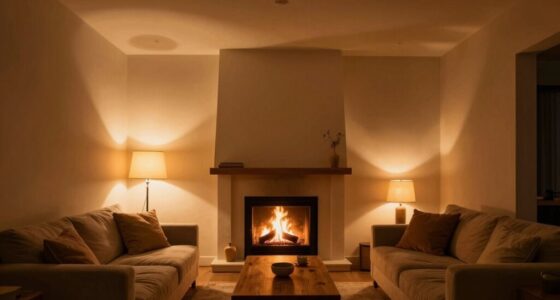
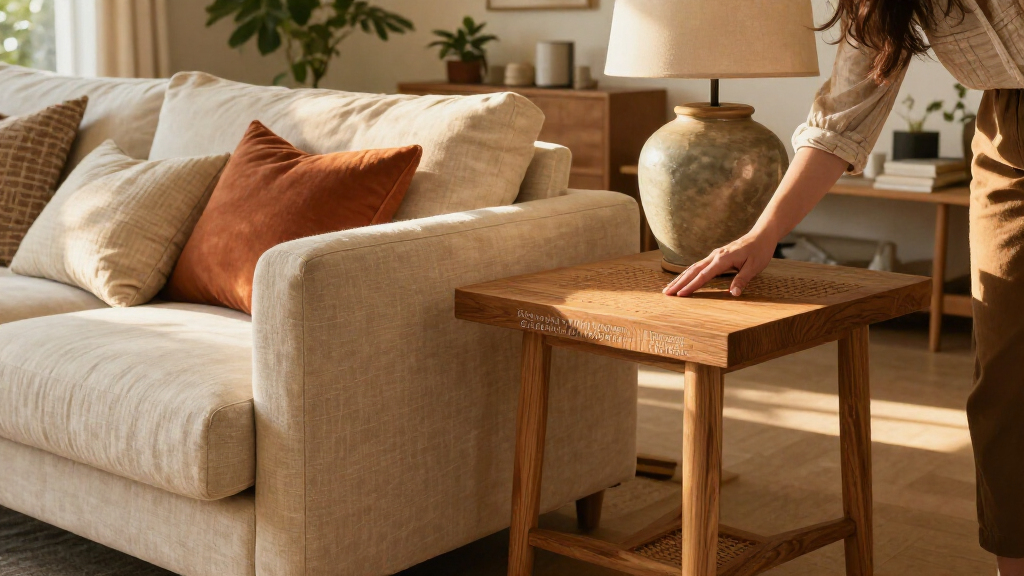
Vases and lamps are other categories the designers say are worth browsing. Loren says a vase can work as a standalone sculptural object and argues that one larger piece may make a more deliberate statement than several small accessories. D’Adesky says she has found ceramic and stone table lamps at the retailer, and points to lamps as a way to add warmer, more intimate lighting rather than relying only on overhead fixtures.
D’Adesky also recommends checking decorative bowls and vessels, including pieces made from materials such as marble, or boxes with bone inlay. They can provide a place to store small items while dressing a console or bookshelf, she says, though she advises balancing objects to avoid a cluttered look. For linens, she cites her experience finding organic cotton bedding and towels. Her suggested checks include reading the fabric composition and holding fabric up to light to inspect the weave; she advises avoiding polyester, while noting that a tighter weave is typically a sign of better quality.
A designer’s HomeGoods checklist Six categories to browse
Two interior designers share what to look for in HomeGoods’ changing mix. Check materials and usefulness, and treat every find as uncertain.
Six categories to explore
Browse selectively for pieces that add function or visual interest.
Coffee table books
Use color, texture and personal interests to give a room character.
Accent pillows
Look for removable covers and fabrics with appealing texture.
Vases
A larger vase can stand alone as a sculptural accent.
Lamps
Consider a table lamp for warmer, more intimate light.
Decorative bowls
Choose a vessel that stores small items and dresses a surface.
Bedding and towels
Read the fabric composition and inspect the weave against light.
Shop with a purpose
The designers’ suggestions connect a find to a practical role at home.
Review fabric content, weave and construction instead of judging by price or first impression.
A pillow cover can refresh a room; a lamp changes the light; a bowl can store small items.
Favor distinctive pieces that fit a real need, and avoid a cluttered look.
What a store visit can bring
HomeGoods carries changing pieces from different makers and styles, and quality varies.
- Removable pillow covers
- Linens’ composition and weave
- Whether a piece suits your room
- A specific item at your location
- Consistent quality across products
- Finishing your list in one visit
How to Judge HomeGoods Finds
The recommendations are practical because HomeGoods carries a changing mix of products rather than a consistent, coordinated collection. The article says that variety can make a shopping trip feel unpredictable: a shopper may find a well-made object in one category and see fewer appealing options in another. Paying attention to fabric content, weave, construction and material gives shoppers specific criteria beyond a low price or an attractive first impression.
The advice also stresses using purchases with intention. A removable pillow cover can refresh a room without a larger purchase; a lamp can add a different kind of light; and a bowl can serve as both storage and decor. Those are the designers’ recommendations, not a guarantee that any particular item will be available or perform well. The article does not compare prices across retailers or offer testing data, so shoppers should treat the tips as expert guidance rather than proof of value.
Products Worth Considering

Bose TV Speaker Compact Soundbar with Bluetooth and HDMI-ARC, Black

Philips Hue Bridge Pro Smart Lighting Hub, 1-Pack

Dyson Cyclone V10 Origin Cordless Vacuum
As an affiliate, we earn on qualifying purchases.
Why Inventory Changes the Search
Loren describes HomeGoods as a retailer with pieces from different makers and styles, in contrast with stores that sell coordinated collections built around a specific aesthetic. D’Adesky likewise says the store offers a range of materials and that quality can vary. She recalls seeing a Natuzzi leather sofa at HomeGoods for about half the price of a similar item she said retailed for $5,000. That is an individual example, not a verified current price or an indication that comparable furniture is routinely stocked.
Because inventory changes, D’Adesky characterizes finding particular pieces as a matter of luck and recommends making multiple visits rather than expecting to complete a decorating list in one trip. Loren also advises shoppers to be selective, steering away from items she considers generic or artificial, such as some premade floral arrangements, slogan signs and mass-produced-looking accessories. The article’s central approach is to look for individual pieces with useful materials or distinctive design, rather than assuming every low-priced item is a bargain.
“Unlike stores that carry coordinated collections with a very specific aesthetic, HomeGoods offers an assortment of pieces from different makers and styles.”
— Jamie Loren, interior designer
What Shoppers Cannot Count On
The article does not provide a publication date, current inventory details, product links, or confirmation that the items described remain in stores. HomeGoods availability can vary by location and over time, so none of the six categories guarantees a particular product or price. The sofa and lamp examples are based on D’Adesky’s reported shopping experience, not a current price check or a broader comparison of retail prices.
There is also no independent product testing or detailed standard for judging every material. D’Adesky’s comments about weave and longevity are presented as her advice; the article does not establish that a tighter weave alone predicts how every set of sheets or towels will hold up. The retailer’s product selection, item origins and return terms are not addressed.
What to Check on a Store Visit
The article does not announce a store policy change, product launch or upcoming shopping event. Its practical next step for readers is to browse the six categories with specific criteria in mind: check pillow covers for removability, inspect linens’ labels and weave, and consider whether a vase, lamp or bowl fits a real need in the room. Shoppers looking for a particular item may need to visit more than once, since the designers say selection changes and finds are not guaranteed.
Prices, inventory and product details should be checked in store at the time of purchase. The article notes that prices were accurate when it was published but does not give a publication date, and it discloses that the publisher may earn a commission if readers buy through its links. No further reporting or retailer response is included.
Key Questions
Which six HomeGoods categories do the designers recommend?
The article lists coffee table books, accent pillows, vases, lamps, decorative bowls and linens.
What should shoppers check when buying linens?
Viviane d’Adesky recommends reading the fabric composition and examining the weave by holding the material up to light. She says she looks for a tighter weave and advises avoiding polyester; these are her recommendations, not independent product test results.
Are all HomeGoods products high quality?
No such claim is made. The designers say quality varies, and recommend judging items by their materials and construction rather than assuming a low price means good value.
Will every store have the items described?
The article does not confirm current stock at any location. It says HomeGoods inventory varies, so shoppers may need to make multiple visits and should check availability and prices in store.
Source: apartmenttherapy.com