
TL;DR

Get furniture and decor delivered free with Prime
- Fast, free delivery on millions of items
- Prime Video, Amazon Music and more included
- Member-only deals all year
A Matter Alpha report describes several battery-powered presence sensors running out of power, interrupting room-based automations in the writer’s home. Battery life varied by sensor and use, while the account highlights the maintenance burden of a home filled with wireless devices.
A Matter Alpha writer says batteries in presence sensors in two frequently used rooms ran out during a month when the household was dealing with a death in the family, stopping some room-based fan automations. The account shows a practical limit of battery-powered smart-home devices: they need monitoring and replacement to keep working, even when the rest of a Matter setup remains online.
The writer had installed SwitchBot presence sensors around the home, alongside hardwired smart switches and other battery-powered devices from SwitchBot and IKEA. When the presence sensors in the living room and dining room lost power, ceiling fans that normally switched on automatically no longer did so. A sensor in the writer’s office was at 5% battery when checked, while a bedroom sensor was still working.
The report does not give a controlled battery-life test or a precise lifespan for the failed sensors. It describes differing performance across devices: the writer had not replaced the battery in a SwitchBot Meter Plus after more than a year, and the climate sensors from SwitchBot and IKEA were still powered. The writer says the presence sensors used larger detection ranges in open rooms, a setting SwitchBot warned could reduce battery life.
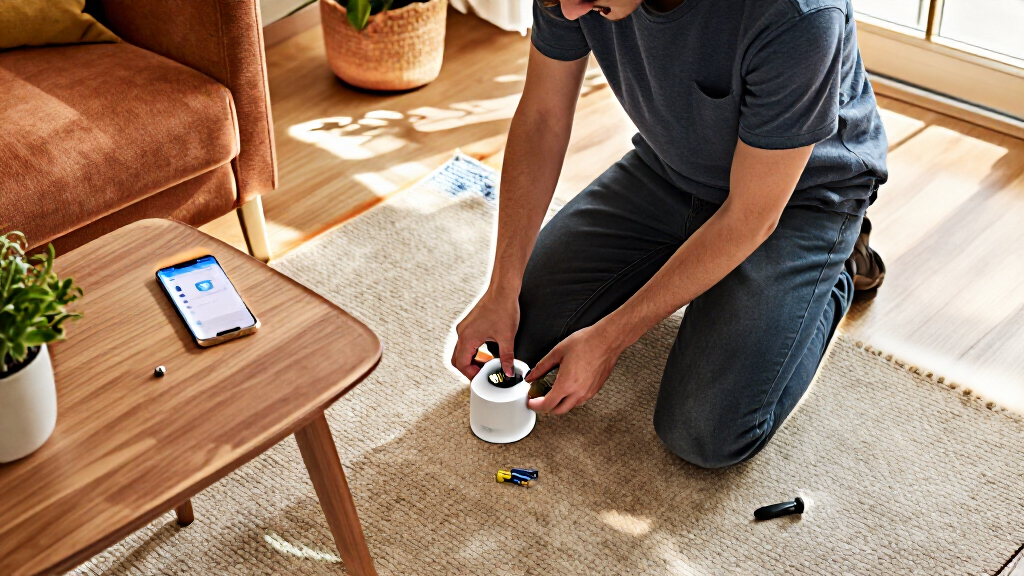
The writer uses the Homey app to view battery levels across devices, avoiding a manual check of each sensor. But a list of many devices can become difficult to manage, particularly when several batteries need replacing at once. The report also notes differences in hardware upkeep: IKEA sensors were described as quick to open and replace batteries in, while removing SwitchBot sensors from their wall-mounted arms added steps.
Battery Upkeep Can Break Room Automations
For readers considering a sensor-heavy smart home, the report points to a trade-off between automation and ongoing maintenance. Battery-powered sensors can be placed where wiring is impractical, but their automations depend on batteries that eventually need attention. If a sensor goes offline, a linked routine may stop responding as expected, as happened with the writer’s fans.
The consequences depend on what a device controls. In this account, the failure affected convenience rather than a safety-critical function. But the same general issue matters for any routine that depends on a wireless sensor: an app may still show the rest of the home working normally while a single dead device quietly interrupts the automation.
The writer’s experience is a personal report, not evidence that Matter devices generally have poor battery life. It does illustrate that device choice, settings, placement and household routines can shape how often batteries need checking, and that smart-home ownership includes maintenance as well as setup.
battery replacement for smart home sensors
As an affiliate, we earn on qualifying purchases.
As an affiliate, we earn on qualifying purchases.
Wired Switches, Wireless Sensors
The writer contrasts hardwired Tapo smart switches with battery-powered presence sensors. The switches continue to receive power as long as the home’s electricity is on; the sensors depend on batteries. The home also includes IKEA Matter-over-Thread products such as temperature and humidity sensors, leak sensors and smart remotes, as well as several SwitchBot devices.
That mix helps explain why battery monitoring became a regular task. A smart-home app can gather battery readings in one place, but the number of devices also means more components to maintain. The report’s main distinction is not that one product category is inherently unreliable, but that hardwired and battery-powered devices have different upkeep needs.
“A smart home, despite expectations, doesn’t take care of itself.”
— Matter Alpha writer
wireless presence sensors for smart home
As an affiliate, we earn on qualifying purchases.
As an affiliate, we earn on qualifying purchases.
Battery Lifespans Remain Device-Specific
The report does not establish a typical battery lifespan for Matter presence sensors or compare models under the same conditions. It gives no exact operating period for the sensors that failed, and it does not identify a single cause beyond the writer’s observations about detection range and room use. How long each battery lasts will depend on the specific device and its settings; the account cannot show how representative these results are.
It is also unclear whether every automation failure in the home was caused by a dead battery or whether any other factors contributed. The writer describes the presence sensors as the reason the fans stopped responding, but provides no independent technical investigation.
As an affiliate, we earn on qualifying purchases.
Track Alerts Before Sensors Go Offline
The writer recommends keeping battery notifications enabled even when turning off alerts about routine activity, such as people moving through the home or doors opening. Replacing a battery when a device reaches 10% or 20%, rather than waiting for it to hit zero, may reduce the chance of an automation stopping unexpectedly.
Reviewing battery-level history in a smart-home app can also help owners estimate how quickly their own devices lose power. The report does not announce a product change, repair or broader follow-up; its practical next step is ongoing monitoring and replacement as individual sensors approach low battery.
As an affiliate, we earn on qualifying purchases.
Key Questions
What happened to the smart-home automations?
The writer says ceiling fans stopped turning on automatically after the presence sensors in the living room and dining room ran out of battery power.
Did all the batteries in the home fail?
No. The report says some devices still had power, including the writer’s bedroom presence sensor, climate sensors and a SwitchBot Meter Plus that had not needed a battery replacement after more than a year.
What can affect a presence sensor’s battery life?
In the writer’s experience, larger detection ranges and frequent movement in a room may matter. The report does not provide a controlled test or a general lifespan for these devices.
How does the writer suggest avoiding unexpected failures?
The writer recommends leaving battery alerts on, checking battery history in the smart-home app and replacing batteries before a sensor reaches zero.
Source: rss
Halloween Picks
halloween
As an affiliate, we earn on qualifying purchases.