
TL;DR
A dark kitchen has been renovated with a bright, neutral interior, challenging traditional perceptions of such food spaces. The change is confirmed, but the reasons and future plans remain unclear.
A dark kitchen has recently undergone a bright, neutral makeover, drawing attention for its striking departure from typical industrial-style food preparation spaces. The renovation, confirmed by sources close to the project, challenges conventional perceptions of dark kitchens as solely utilitarian or uninviting. The transformation matters because it signals a potential shift in how commercial food spaces are designed, possibly influencing industry standards and customer perceptions.

Get furniture and decor delivered free with Prime
- Fast, free delivery on millions of items
- Prime Video, Amazon Music and more included
- Member-only deals all year
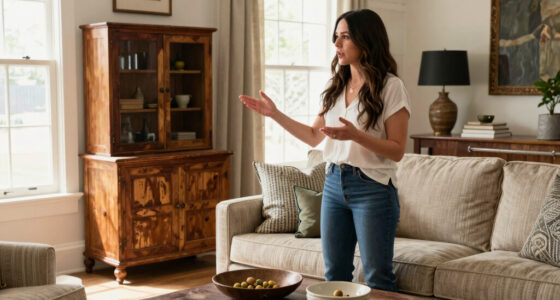
The renovation was publicly unveiled through images circulating on social media and industry platforms, showing a space with light-colored walls, natural lighting, and minimalistic decor. This contrasts sharply with the traditional dark, industrial aesthetic common in many dark kitchens, which prioritize efficiency and concealment of equipment. The change appears to be part of an effort by the operators to modernize the space and improve its appeal, although specific motivations have not been officially disclosed.
Sources familiar with the project indicate that the renovation was carried out recently, with some suggesting it was driven by a desire to improve employee morale, customer perception, or to align with emerging interior design trends. The exact timeline of the renovation’s planning and execution remains unclear, and it is not yet confirmed whether this is a pilot project or part of a broader industry trend.
Implications for Industry and Customer Experience
This transformation could influence how dark kitchens are perceived by consumers and industry stakeholders. Traditionally viewed as purely functional and often unappealing visually, the bright, neutral design may help shift public perception, making these spaces seem more inviting and professional. If adopted widely, such redesigns could impact marketing strategies, customer trust, and even operational choices in the rapidly growing food delivery sector.
Furthermore, this change underscores a broader trend toward integrating aesthetic considerations into commercial food environments, blurring the lines between traditional restaurant design and industrial kitchen setups. It may also signal a response to increasing consumer demand for transparency and cleanliness, especially amid heightened health and safety concerns.
Products Worth Considering

Philips Hue Play Gradient Light Tube, Large, Black

Philips Hue Bridge Pro Smart Lighting Hub, 1-Pack

Dyson Cyclone V10 Origin Cordless Vacuum
As an affiliate, we earn on qualifying purchases.
Design Trends in Commercial Food Spaces
Dark kitchens, also known as ghost kitchens, have gained prominence over recent years as a cost-effective way to meet the surge in food delivery demand. Typically characterized by utilitarian, often industrial aesthetics, these spaces have focused on efficiency rather than customer experience. However, recent coverage and search interest indicate growing attention to how these spaces are designed and perceived. The trend toward brighter, more welcoming interiors appears to be a response to evolving consumer expectations and industry innovation, although it is still early to determine if this is a widespread shift or a singular experiment.
Industry observers note that the visual transformation aligns with broader interior design trends favoring minimalism and natural light, which have been popular in retail and hospitality sectors. The timing of this particular renovation coincides with increased scrutiny of food safety, branding, and customer engagement in the delivery economy.
Unclear Motivations and Industry Adoption
It is not yet confirmed whether this bright, neutral redesign is a one-off experiment or part of a larger industry trend. The specific reasons behind the renovation—whether aesthetic, operational, or branding—remain unconfirmed, and the future plans of the operators are unclear. Additionally, the broader impact on the dark kitchen sector has yet to be established, with industry experts noting that more examples are needed to determine if this is a significant shift or a unique case.
Next Steps and Industry Response
Observers will likely monitor whether other dark kitchens adopt similar bright, inviting designs. Industry stakeholders may also seek to understand the motivations and outcomes of this renovation, potentially leading to new standards or best practices. Updates could emerge as the operators reveal more about their goals or as other companies experiment with similar aesthetic changes. The ongoing discussion will shape perceptions of how commercial food spaces balance functionality with customer appeal.
Key Questions
Why did this dark kitchen choose a bright, neutral design?
While the exact reasons are not confirmed, sources suggest the renovation aims to improve internal morale, enhance brand perception, and align with current interior design trends that favor natural light and minimalism.
Will this design change become common among dark kitchens?
It is too early to tell. Industry experts say more examples are needed to determine if this is a broader trend or a singular experiment.
How might this affect customer perceptions of dark kitchens?
The brighter, more inviting appearance could help dispel negative stereotypes of dark kitchens as utilitarian or unappealing, potentially improving trust and brand image.
Are there safety or operational concerns with this redesign?
There are no confirmed safety issues reported. The focus appears to be on aesthetics, but any structural or safety considerations would depend on specific renovation details not yet publicly disclosed.
What is the industry’s response to this change?
Industry reactions are still emerging, with some analysts viewing it as an innovative move that could influence future design practices in the sector.
Source: rss