
Starting with DIY home repair can feel overwhelming, but the right online courses make it manageable and even enjoyable. For beginners, “DIY Home Repairs for Beginners: Step-by-step fixes for common household problems” offers simple instructions perfect for those just getting started. If you’re looking for a more comprehensive, all-in-one resource, “The Complete DIY Guide to Home Repair and Maintenance” provides a broad overview with practical checklists. For those aiming to tackle multiple projects confidently, “DIY Home Improvement for Beginners” combines step-by-step guidance across painting, plumbing, and carpentry. Each course has its own strengths and tradeoffs, so choosing the right fit depends on your skill level, goals, and whether you prefer a straightforward or detailed approach.

Get furniture and decor delivered free with Prime
- Fast, free delivery on millions of items
- Prime Video, Amazon Music and more included
- Member-only deals all year
Complete the kit


Key Takeaways
- Beginners should prioritize courses with clear, step-by-step instructions and minimal technical jargon.
- Comprehensive guides tend to cover a wider range of topics but may lack advanced or specialized repair details.
- Cost-effective and beginner-friendly options often omit specific tools or detailed project images.
- More advanced or detailed courses are better suited for homeowners with some prior experience or those seeking a deep dive.
- Choosing between online courses and books depends on whether you prefer visual, interactive learning or written instructions.
| DIY Home Repairs for Beginners: Step-by-step fixes for common household problems |  | Best for Absolute Beginners | Format: Printed book | Pages: 200+ | Coverage: Basic household repairs | VIEW ON AMAZON | See Our Full Breakdown |
| DIY Home Repairs for Beginners |  | Best for Budget-Conscious Learners | Format: Printed book | Pages: 180+ | Coverage: Home maintenance basics | VIEW ON AMAZON | See Our Full Breakdown |
| The Complete DIY Guide to Home Repair and Maintenance |  | Best for All-in-One Reference | Format: Printed book | Pages: 250+ | Coverage: Home repair & maintenance | VIEW ON AMAZON | See Our Full Breakdown |
| DIY Home Improvement for Beginners |  | Best for Multi-Project Confidence | Format: Printed book | Pages: 220+ | Coverage: Painting, plumbing, carpentry, repairs | VIEW ON AMAZON | See Our Full Breakdown |
| The Ultimate Home Repair and Improvement Guide | 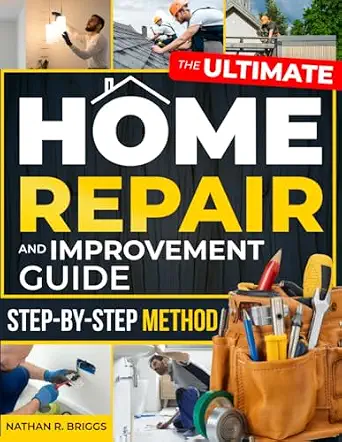 | Best for Safe, Preventive Repair | Format: Printed book | Pages: 200+ | Coverage: Diagnosis, safety, basic repair | VIEW ON AMAZON | See Our Full Breakdown |
| online courses for diy home repair | Format | Pages | Coverage | Skill Level |
|---|---|---|---|---|
| DIY Home Repairs for Beginners | Printed book | 200+ | Basic household repairs | Beginner |
| DIY Home Repairs for Beginners | Printed book | 180+ | Home maintenance basics | Beginner |
| The Complete DIY Guide to Home | Printed book | 250+ | Home repair & maintenance | Beginner to intermediate |
| DIY Home Improvement for Begin | Printed book | 220+ | Painting, plumbing, carpentry, repairs | Beginner |
| The Ultimate Home Repair and I | Printed book | 200+ | Diagnosis, safety, basic repair | Beginner to intermediate |
More Details on Our Top Picks
DIY Home Repairs for Beginners: Step-by-step fixes for common household problems
This book excels at providing easy-to-follow, step-by-step instructions for homeowners just starting out. It covers a broad range of common repairs, making it a solid choice for those who want quick, practical guidance without technical overwhelm. Compared to other options, it lacks detailed diagrams and online resources, which might be a drawback for visual learners. However, its straightforward approach makes it ideal for beginners seeking confidence in basic repairs.
Pros:- Easy-to-understand step-by-step guides
- Suitable for absolute beginners
- Wide range of household repairs covered
Cons:- Lacks detailed technical diagrams
- No digital or online resources included
- Limited for complex repairs
Best for: Complete newcomers to DIY home repair who want simple instructions.
Not ideal for: Homeowners looking for in-depth technical diagrams or advanced repair techniques.
- Format:Printed book
- Pages:200+
- Coverage:Basic household repairs
- Skill Level:Beginner
- Includes diagrams:No
- Available online resources:No
Our verdict“An excellent starting point for absolute beginners seeking straightforward repair guidance.”
DIY Home Repairs for Beginners
This guide offers essential guidance across various home maintenance topics, from plumbing to electrical safety, making it a comprehensive choice for those on a budget. Unlike more detailed manuals, it provides a broad overview rather than in-depth project instructions, which means some repairs may require additional resources. It’s well-suited for homeowners who want practical skills without paying for premium courses or detailed technical manuals.
Pros:- Comprehensive beginner-friendly coverage
- Covers multiple repair topics
- Cost-effective approach
Cons:- No specific tools or detailed project instructions
- Additional resources may be needed for complex repairs
- Limited visuals or step-by-step images
Best for: Budget-conscious homeowners seeking broad foundational skills.
Not ideal for: Those needing detailed project plans or advanced repair techniques.
- Format:Printed book
- Pages:180+
- Coverage:Home maintenance basics
- Skill Level:Beginner
- Includes diagrams:No
- Available online resources:No
Our verdict“A solid, budget-friendly choice for beginners wanting a well-rounded overview.”
The Complete DIY Guide to Home Repair and Maintenance
This comprehensive handbook offers step-by-step instructions combined with preventive checklists to help homeowners maintain and repair their homes effectively. Its broad scope makes it ideal for those who want a one-stop resource, but it may be too basic for professional contractors or experienced DIYers. Unlike specialized guides, it doesn’t include specific tools or detailed project photos, which could be a limitation for visual learners.
Pros:- Clear, step-by-step instructions
- Includes preventive checklists
- Wide range of topics covered
Cons:- No specific tools or materials listed
- May be too basic for advanced users
- Lacks detailed visuals
Best for: Homeowners seeking a broad, practical reference for routine repairs and maintenance.
Not ideal for: Advanced DIYers or professionals needing in-depth technical details.
- Format:Printed book
- Pages:250+
- Coverage:Home repair & maintenance
- Skill Level:Beginner to intermediate
- Includes checklists:Yes
- Available online resources:No
Our verdict“A versatile guide perfect for homeowners wanting a comprehensive, easy-to-use reference.”
DIY Home Improvement for Beginners
This guide covers a wide array of projects, from painting and repairs to plumbing and carpentry, making it highly useful for homeowners who want to tackle multiple tasks confidently. It provides detailed, step-by-step instructions, which are great for beginners, but it doesn’t include specific project images or advanced techniques. Its scope makes it ideal for those just starting out and wanting a broad skill set, though experienced DIYers might find it too basic.
Pros:- Detailed guidance for multiple projects
- Suitable for complete beginners
- Covers essential home maintenance tasks
Cons:- Lacks project-specific images
- Limited to basic repairs and improvements
- May not cover advanced projects
Not ideal for: Homeowners seeking advanced or specialized repair techniques.
- Format:Printed book
- Pages:220+
- Coverage:Painting, plumbing, carpentry, repairs
- Skill Level:Beginner
- Includes images:No
- Available online resources:No
Our verdict“A practical, step-by-step guide for beginners aiming to build a versatile skill set.”
The Ultimate Home Repair and Improvement Guide
This guide emphasizes diagnosing issues and avoiding costly mistakes through step-by-step methods and safety tips. It’s ideal for homeowners who want to handle repairs confidently and prevent problems before they escalate. It lacks specific tools or detailed project images, which can limit its usefulness for visual learners or those seeking detailed project videos. Still, its focus on safety and prevention makes it stand out for cautious DIYers.
Pros:- Detailed repair instructions
- Focus on safety and mistake prevention
- Empowers homeowners to repair confidently
Cons:- No specific product features or tools included
- Lacks visual project guides
- No price or rating info available
Best for: Homeowners who prioritize safe repairs and problem prevention.
Not ideal for: Those looking for detailed project tutorials or advanced technical skills.
- Format:Printed book
- Pages:200+
- Coverage:Diagnosis, safety, basic repair
- Skill Level:Beginner to intermediate
- Includes checklists:Yes
- Available online resources:No
Our verdict“A good choice for cautious homeowners who want to repair safely and avoid mistakes.”

How We Picked
Our selection process focused on courses that balance clarity, breadth, and practicality for DIY home repair learners. We evaluated the content quality, ease of understanding, and scope of topics covered, emphasizing beginner accessibility. We also considered user reviews, course structure, and whether supplementary resources like images or videos were included. Because many DIYers seek straightforward guidance, we prioritized options that clearly distinguish between basic and more advanced offerings, ensuring each course serves a specific learner profile.
| online courses for diy home repair | Coverage | Skill Level |
|---|---|---|
| DIY Home Repairs for Beginners | Basic household repairs | Beginner |
| DIY Home Repairs for Beginners | Home maintenance basics | Beginner |
| The Complete DIY Guide to Home | Home repair & maintenance | Beginner to intermediate |
| DIY Home Improvement for Begin | Painting, plumbing, carpentry, repairs | Beginner |
| The Ultimate Home Repair and I | Diagnosis, safety, basic repair | Beginner to intermediate |
Factors to Consider When Choosing Online Courses For Diy Home Repair
Choosing the right online home repair course depends on your experience level, the scope of skills you want to develop, and whether you prefer visual aids or written instructions. I recommend considering your comfort with technical topics, the range of repairs you’re interested in, and whether you want a quick-start guide or a detailed manual. The ideal course should match your learning style and project ambitions, helping you build confidence without overwhelming you.Identify Your Skill Level
Beginners should look for courses or books that emphasize simplicity, clear instructions, and minimal jargon. More experienced DIYers may prefer comprehensive guides that cover advanced repairs or offer troubleshooting tips. Matching your current skills with the course’s depth ensures a smoother learning process and prevents frustration.
Consider Scope and Content
Some courses focus on basic repairs like patching drywall or fixing leaky faucets, while others cover a broad spectrum including electrical, plumbing, carpentry, and maintenance. Decide if you want a quick fix guide or a resource that helps you develop a versatile skill set for multiple projects.
Visual Aids and Resources
Many online courses include videos, diagrams, or photos to enhance understanding. If you prefer visual learning, prioritize options that offer rich multimedia content. Conversely, if you prefer reading, a well-written manual may suffice, but be aware that some basic guides lack detailed visuals.
Budget and Accessibility
Consider whether you want a free resource, a paid course, or a comprehensive book. Budget-friendly options often provide core information but may lack depth or visual aids. Paid courses with videos and interactive features tend to be more engaging but cost more. Choose what fits your budget and learning style best.
Frequently Asked Questions
Are online courses suitable for complete beginners?
Yes, many online courses and books are designed specifically for beginners, offering simple, step-by-step instructions that help build foundational skills without overwhelming technical details. Starting with beginner-focused resources ensures a smoother learning curve and confidence in handling basic repairs.
Can I learn all home repairs from an online course?
While online courses can teach a wide range of repairs, some complex or specialized projects—like major electrical work or structural modifications—may require additional hands-on training or professional assistance. For most routine repairs and maintenance, however, online courses provide a solid starting point.
What should I look for in an online home repair course?
Focus on clarity of instructions, coverage of topics relevant to your needs, availability of visual aids such as videos or diagrams, and positive reviews from other learners. A good course balances thoroughness with accessibility, ensuring you gain practical skills efficiently.
Are books or online courses better for learning DIY home repair?
Both formats have their advantages. Books are portable, can be reviewed multiple times, and don’t require an internet connection, making them ideal for quick reference. Online courses often include videos and interactive content, which can enhance understanding and engagement. The best choice depends on your preferred learning style.
How much time should I expect to spend on learning home repair?
The time investment varies based on the course’s scope and your existing skills. Basic repairs might take a few hours to learn and practice, while more comprehensive courses could span several weeks if you include hands-on practice. Consistent practice and applying what you learn will help solidify your skills more quickly.
Conclusion
If you’re a complete beginner looking for straightforward instructions, the “DIY Home Repairs for Beginners” book is a great starting point. For those who want a broad, practical reference to handle routine maintenance confidently, “The Complete DIY Guide to Home Repair and Maintenance” fits well. Budget-conscious homeowners seeking a multi-project guide will find “DIY Home Improvement for Beginners” ideal. Meanwhile, cautious DIYers who prioritize safety and mistake prevention should consider “The Ultimate Home Repair and Improvement Guide”. Ultimately, selecting the right course depends on your skill level, learning style, and repair goals.